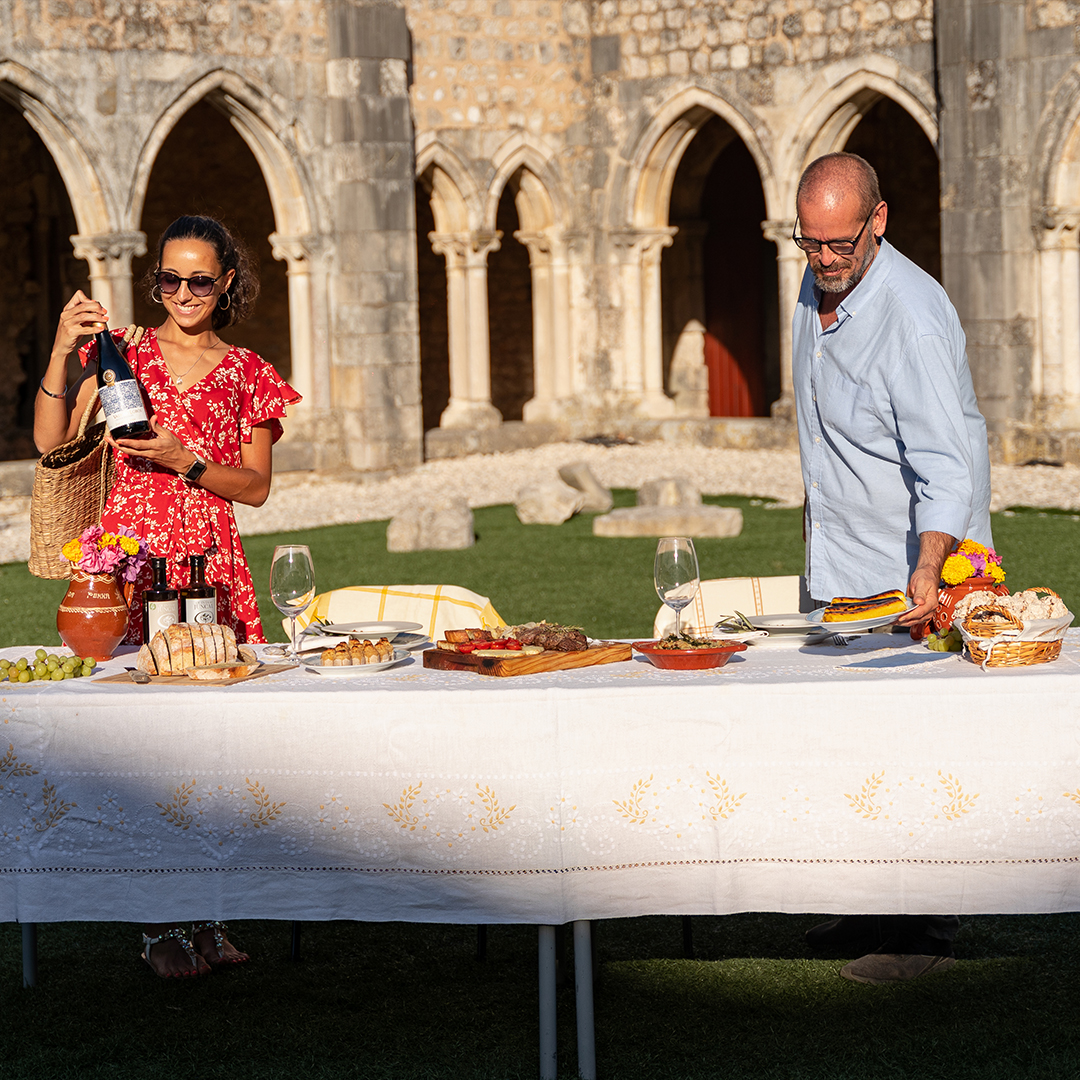
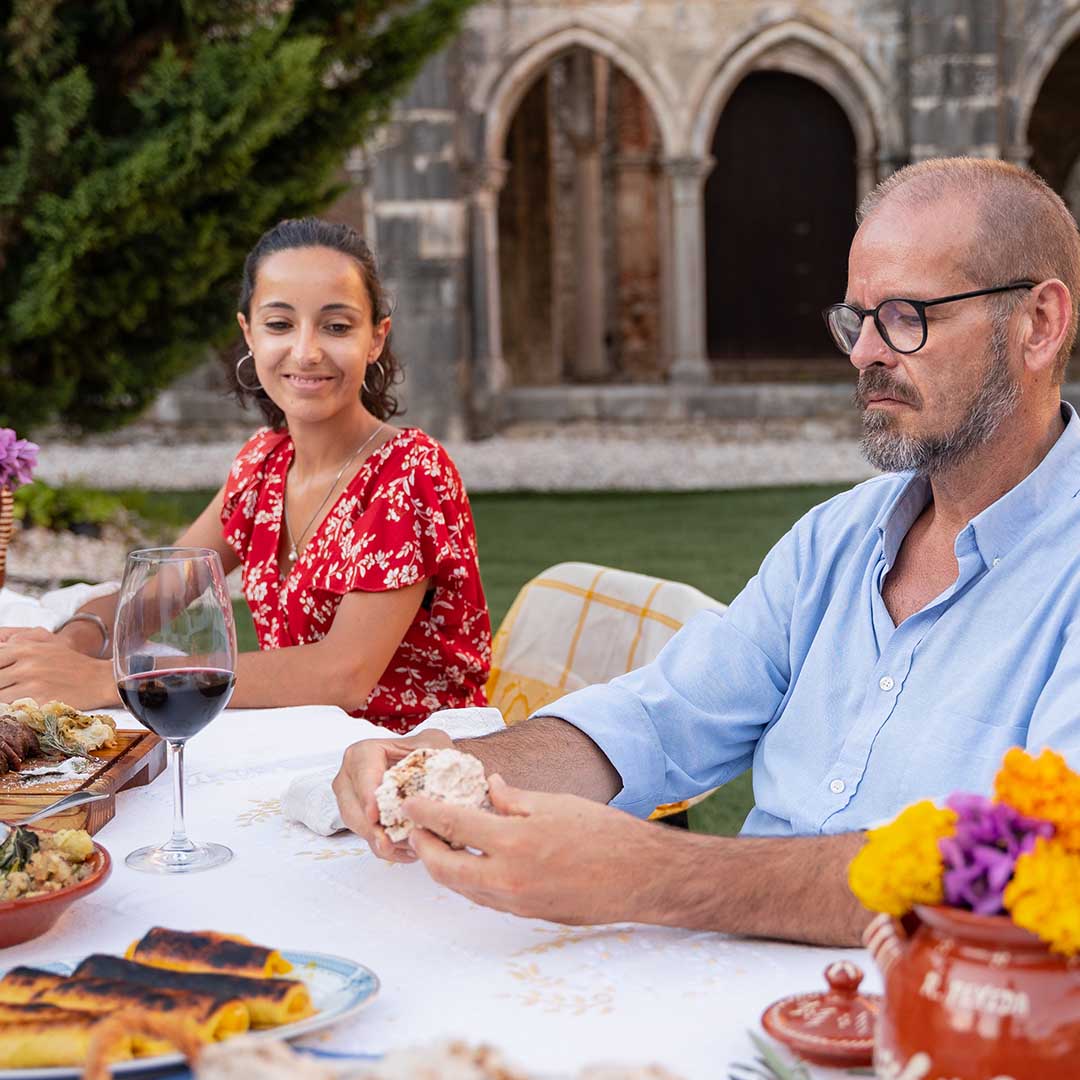
Gastronomy, commonly undervalued in its historical richness, is in fact the most essential expression of a people’s ethos. Daily bread, the direct product of the sweat and toil of the people, is the direct corollary of centuries of ways of being, of being, and of living.

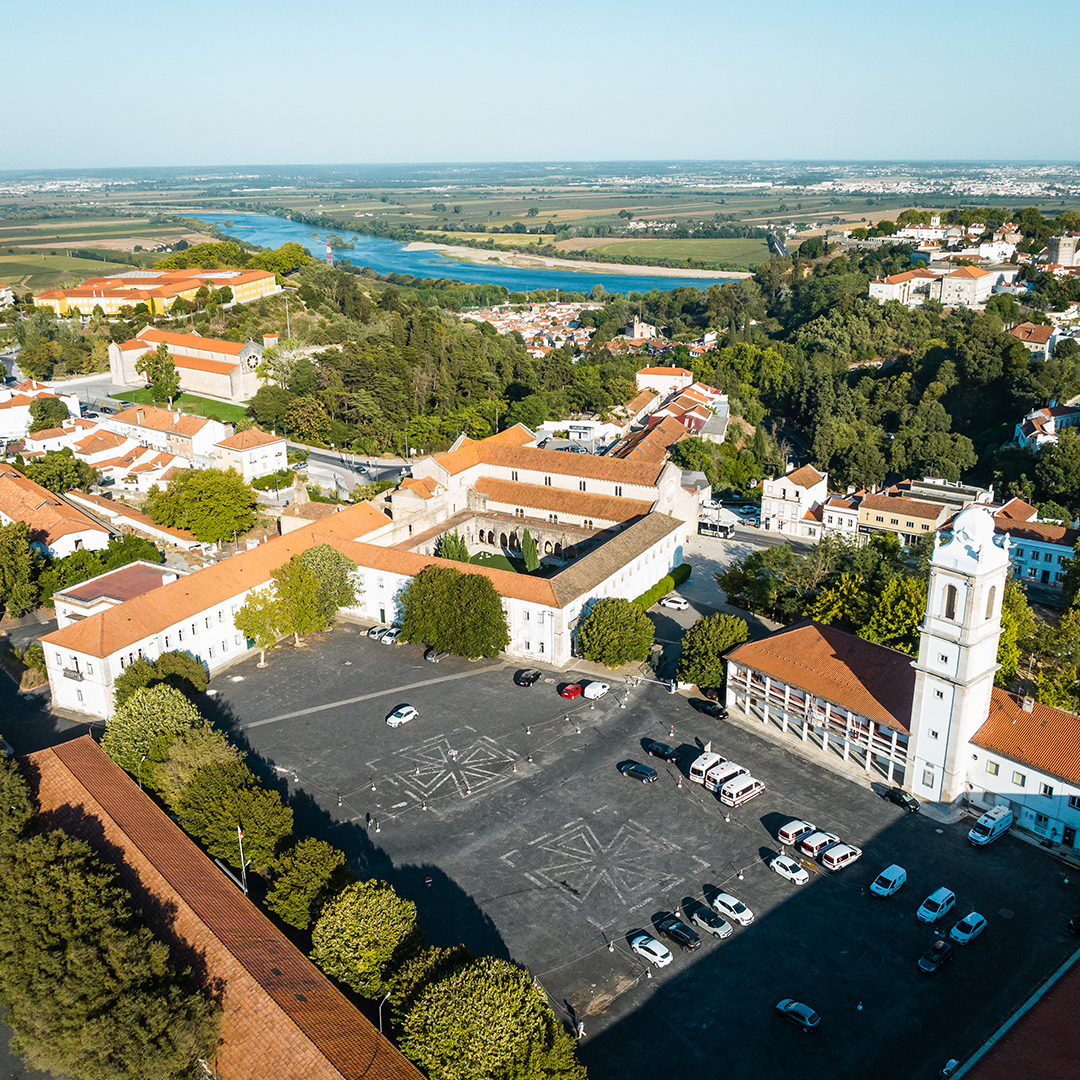
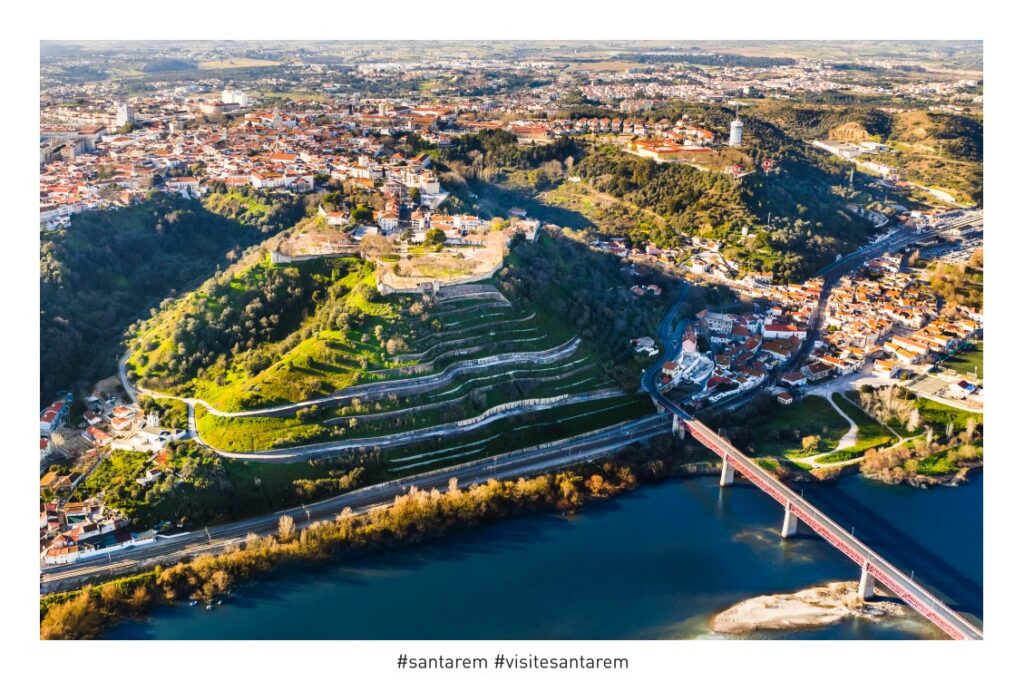
In our case, we must first look at Santarém from where it was born – the old alcáçova. Here you can see that Santarém is an open horizon of lands and waters: it’s the olive grove that takes root in the land of the neighborhood, it’s the wild bull that grazes in the field, the horse that is trimmed in the arena, the vineyard that is harvested, the soil that is tilled, and it’s the river, the ever-present Tagus, that feeds everything in its path.

It is therefore understandable that its gastronomy is directly linked to its geography. The timelessness of the land immortalizes the dishes that spring from here, and the people, in their creativity and ingenuity, compose dishes – authentic portals to humble times, of work and subsistence.

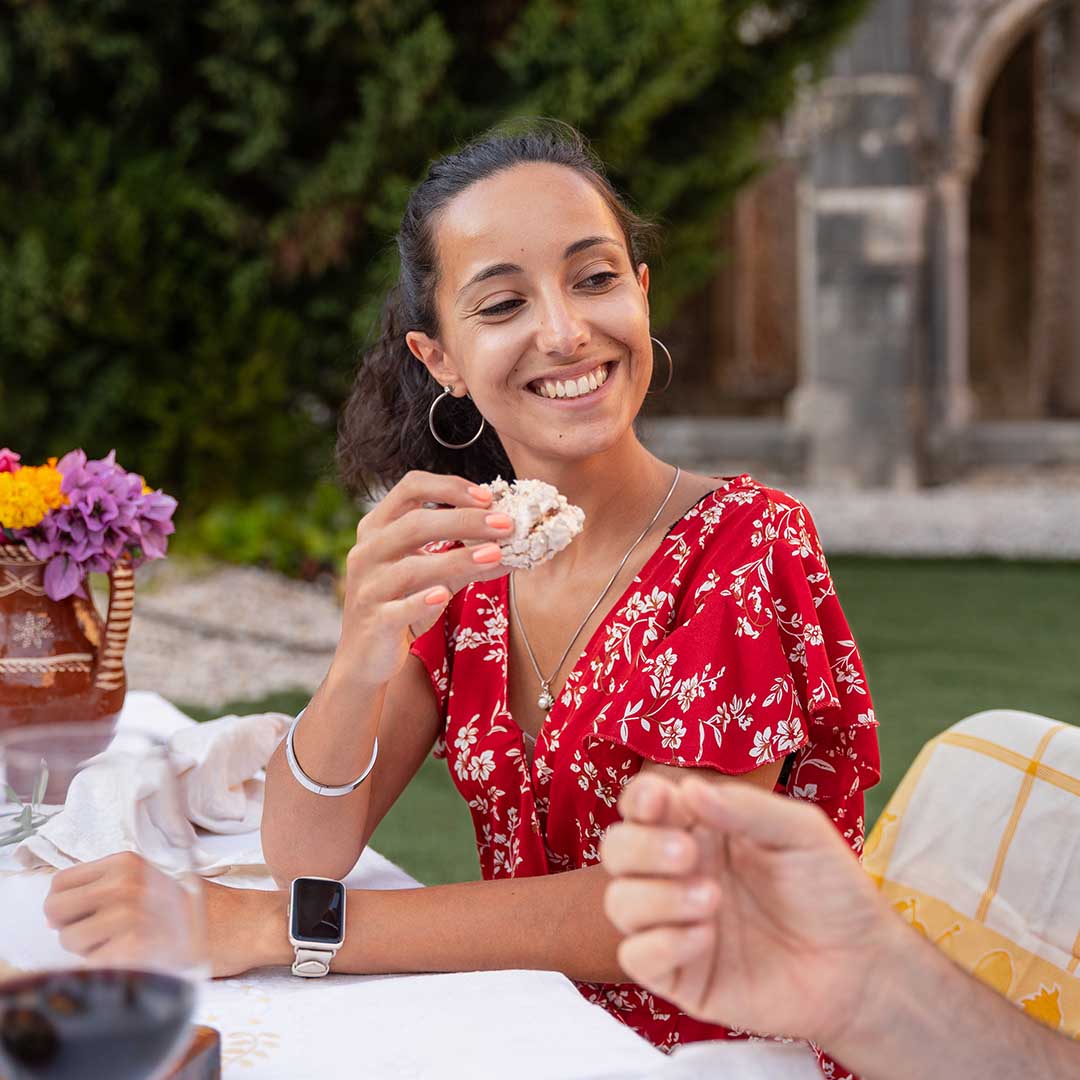
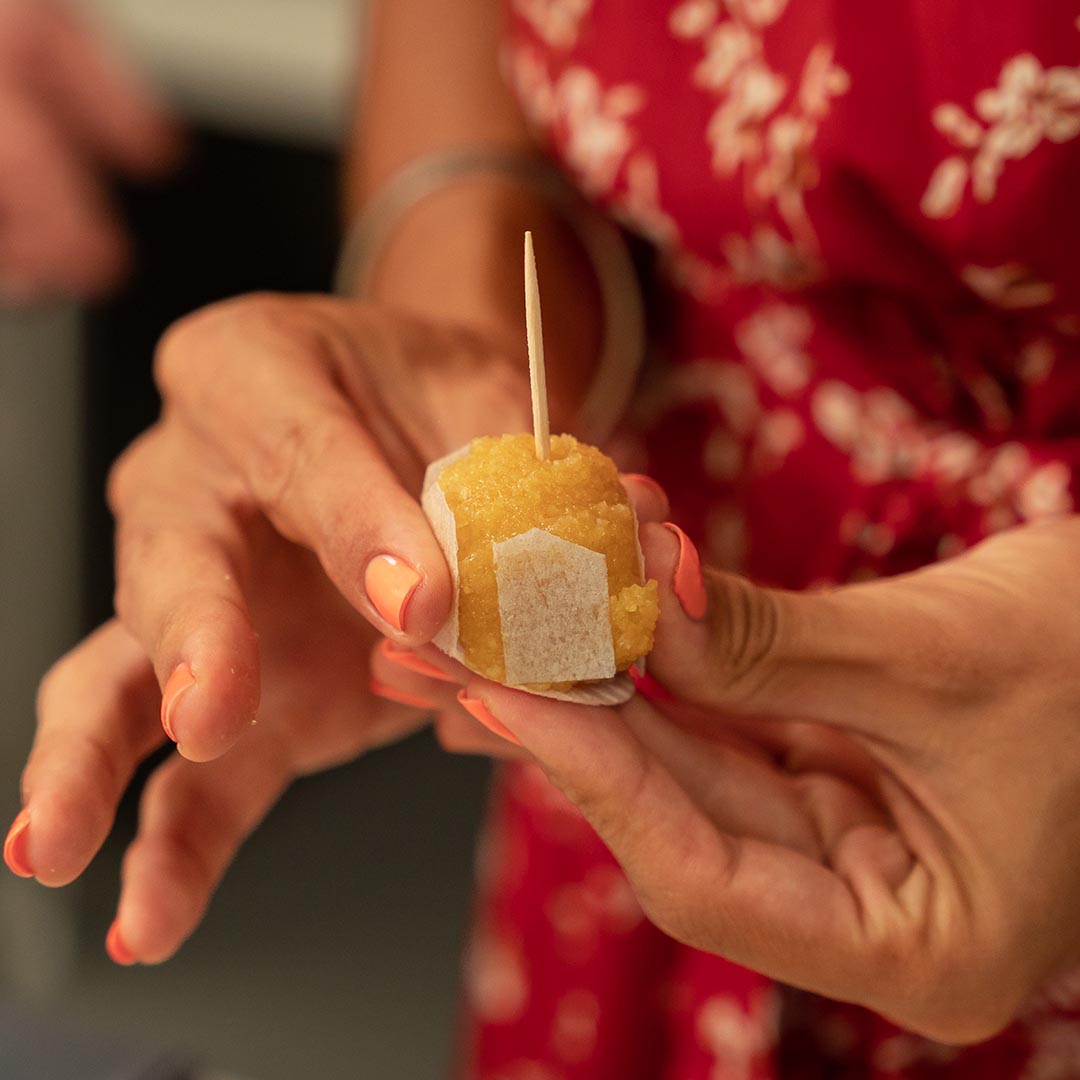
The history of Pampilhos is not as long as that of other centenary convent sweets, but they have nonetheless achieved relevance in the local tradition by directly toasting the customs that this region of the country offers.

This small cake was conceived as a tribute to the man from Ribatejo, more specifically the campino who guards the bulls in Leziria. It was back in the 1970s that Pastelara Bijou gave birth to the pampilho. An easy-to-make cake that was intended to pay homage to the campino, a charismatic figure from Ribatejo who drives the cattle with his inseparable pampilho, the name given to the long stick with which he drives the animals in the field and whose shape this cake seeks to imitate.

The cake’s meteoric rise is therefore understandable, as it pays homage to the people of Ribatejo who are linked to Ribatejo’s best-known ex-libris: the bull and the horse.

If Portugal is like that, wines, so is Ribatejo.

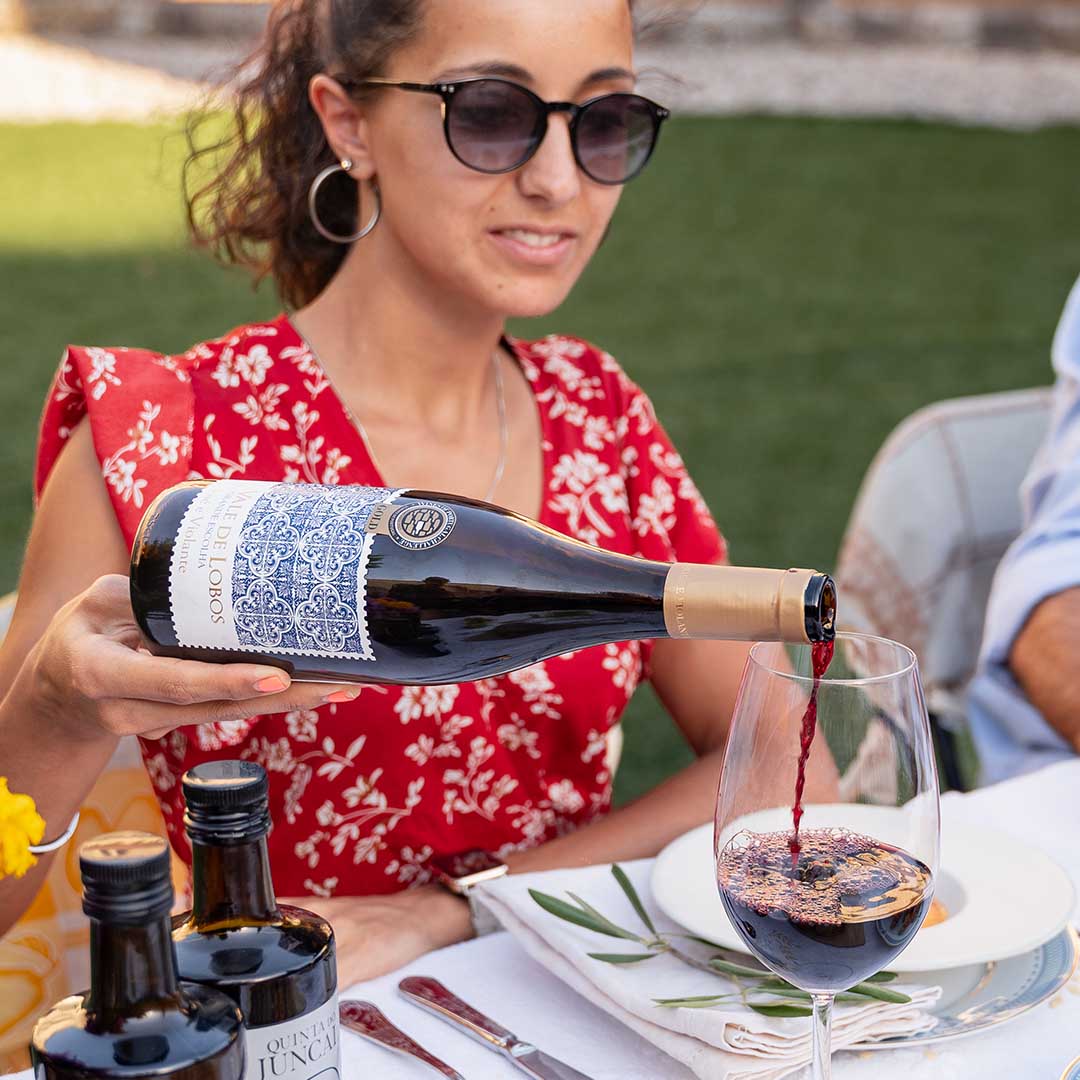
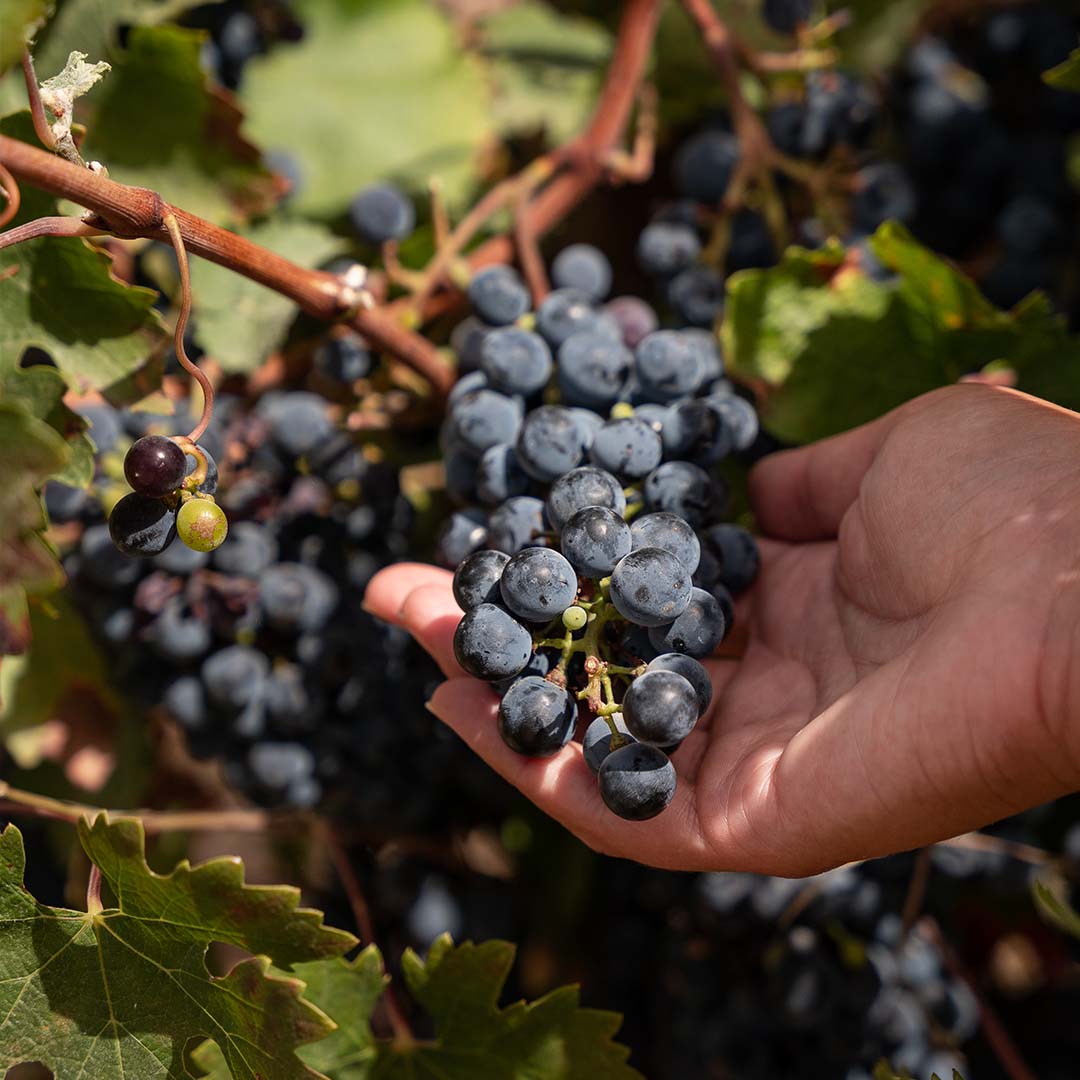
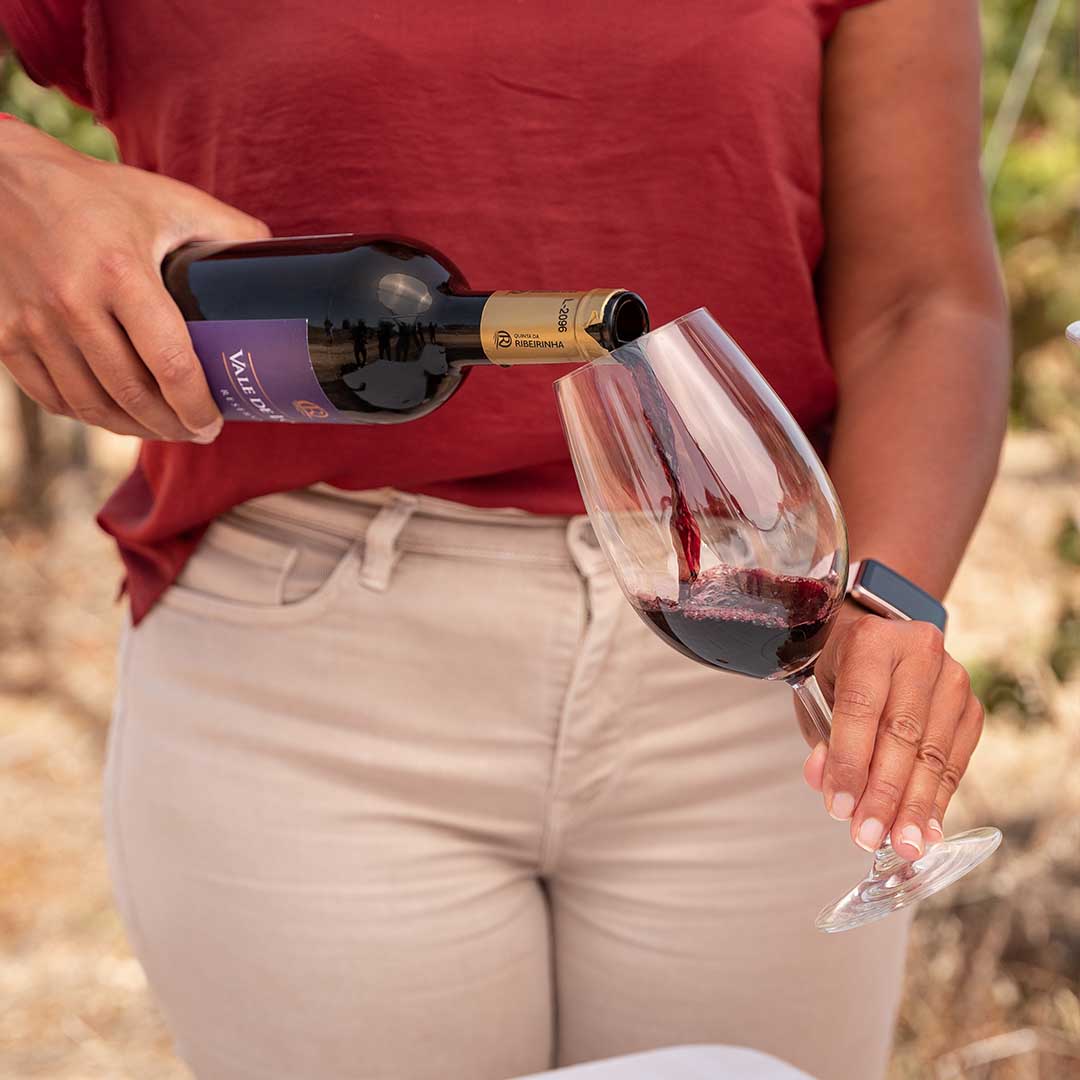
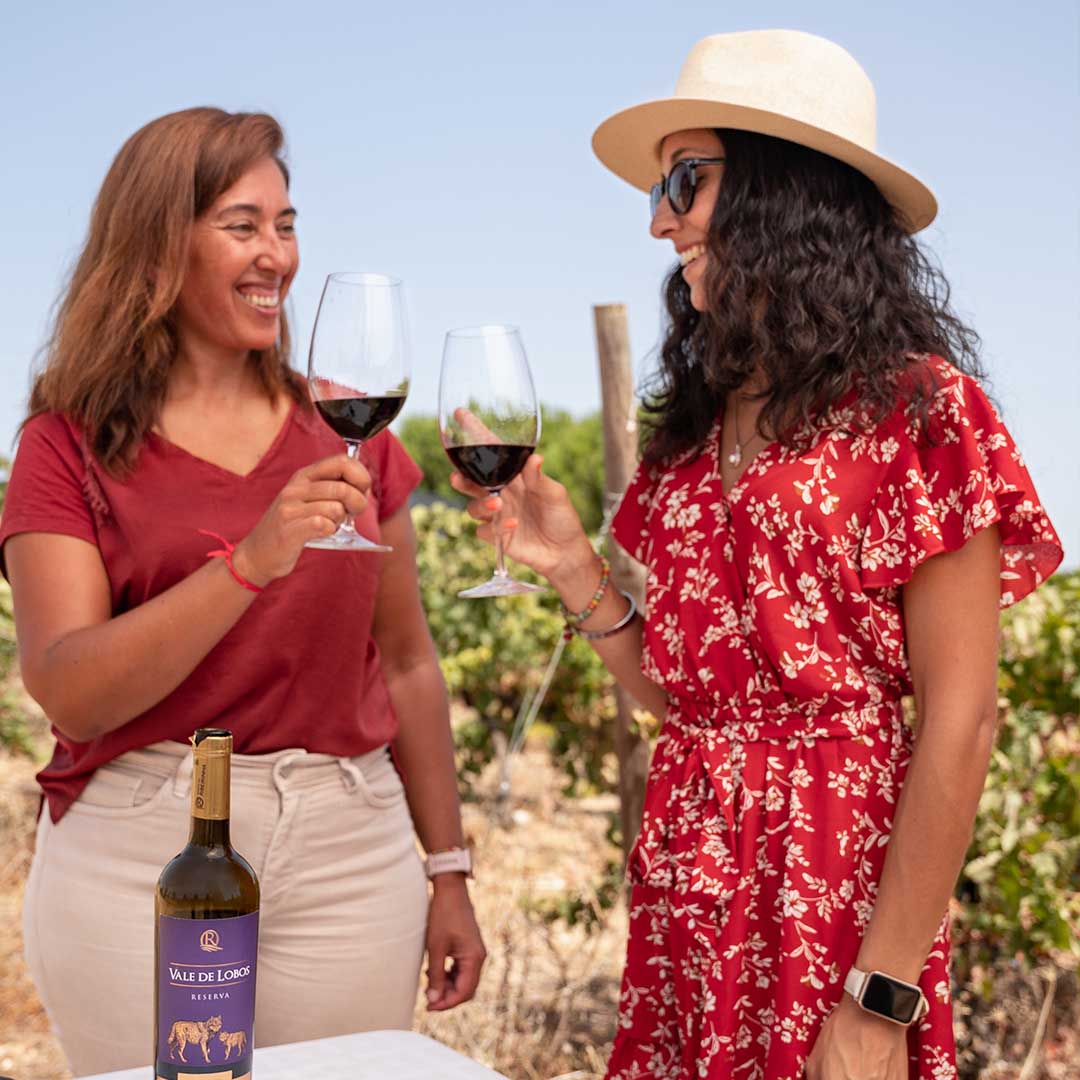
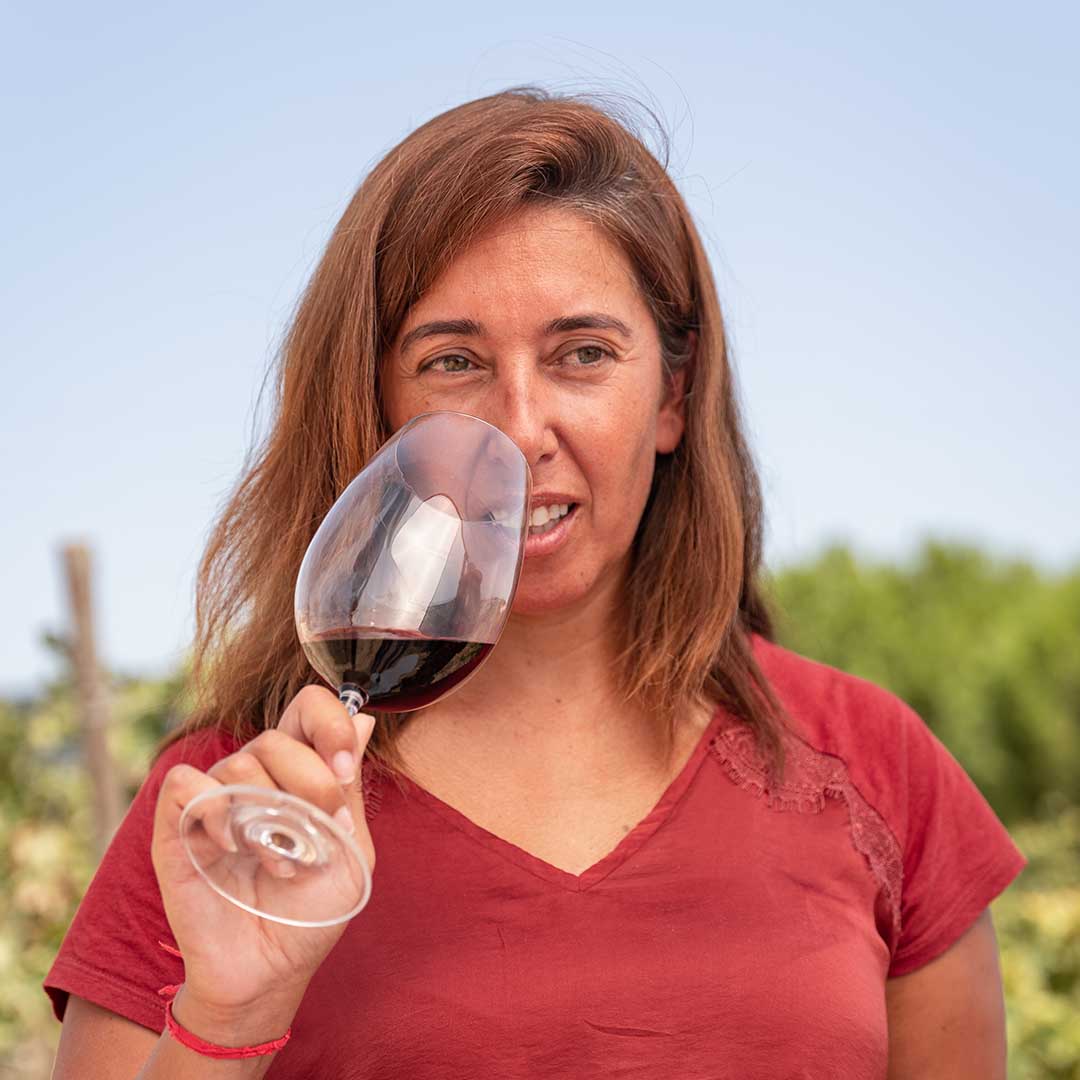
Ribatejo, a verdant meadow and farmland that is as far as the eye can see, has been producing wine since ancient times. Historical records dating back 4000 years show that the region was already used for wine plantations by the Tartessians. And, since Portuguese identity is also made of wine, there are also references from the time of the founding dynasty of our nationality.

Today it is wine tourism that is dedicated to the production of wines, with large fields dedicated to the cultivation of vines, which can be seen in the large number of estates that have been dedicated to this ancient practice for generations.

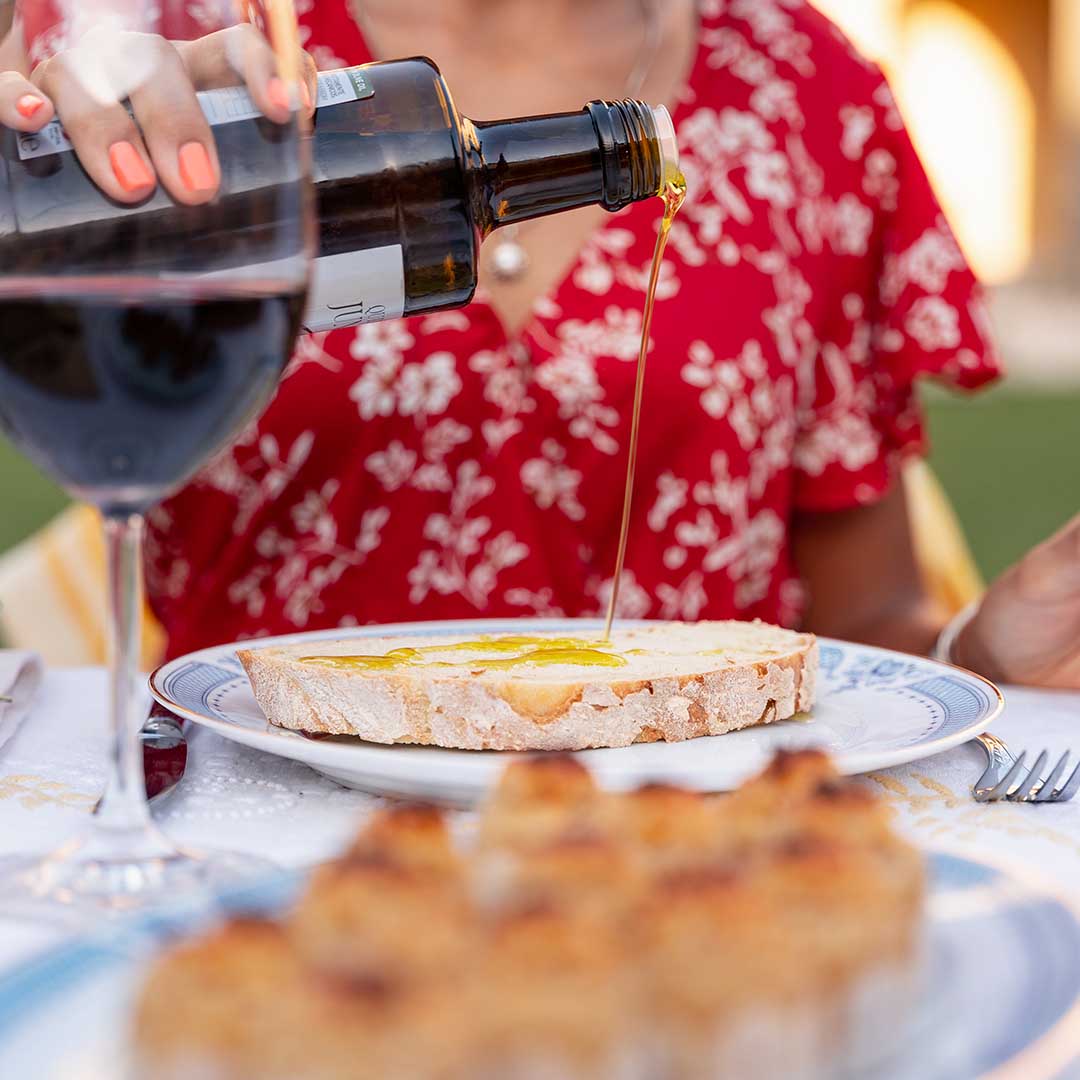
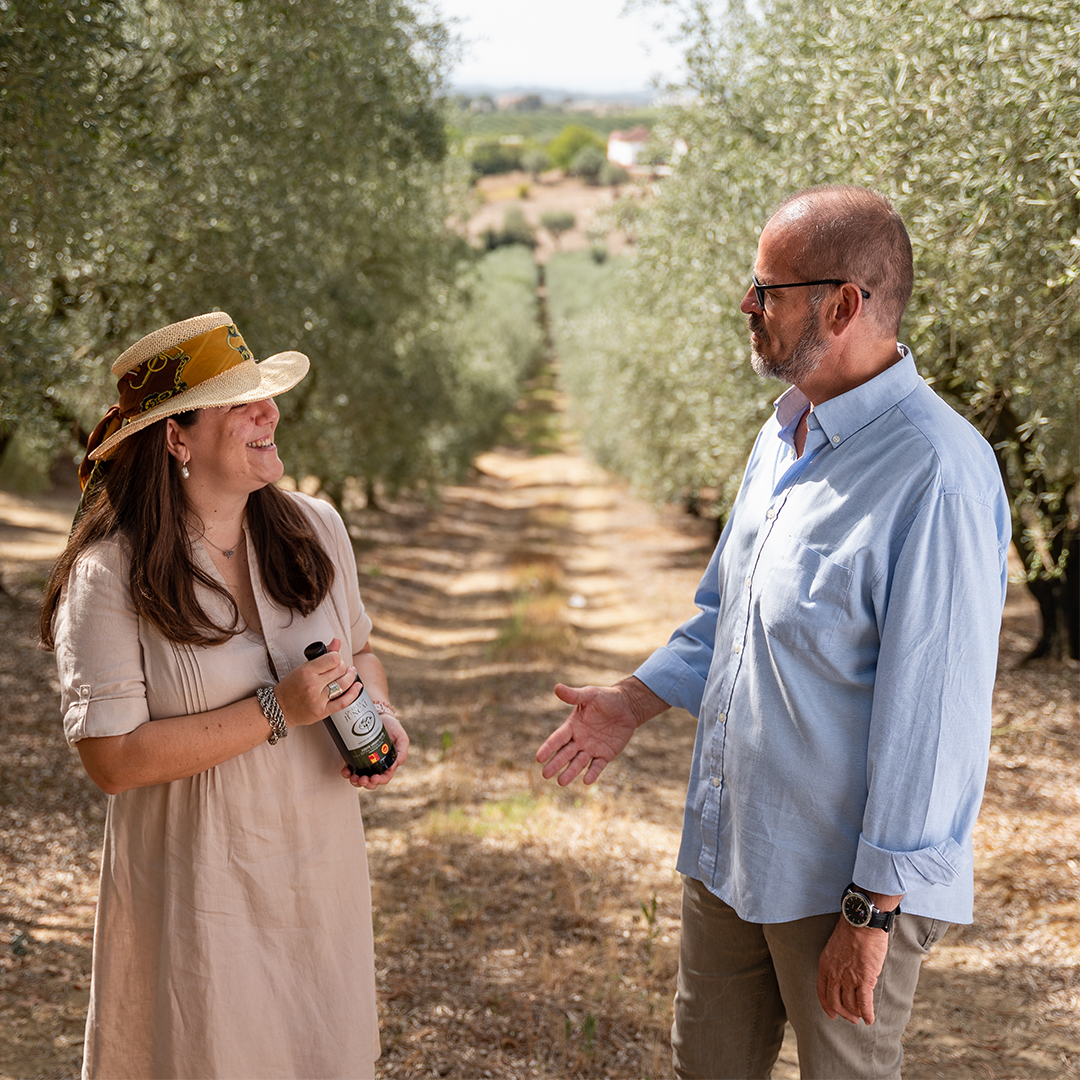
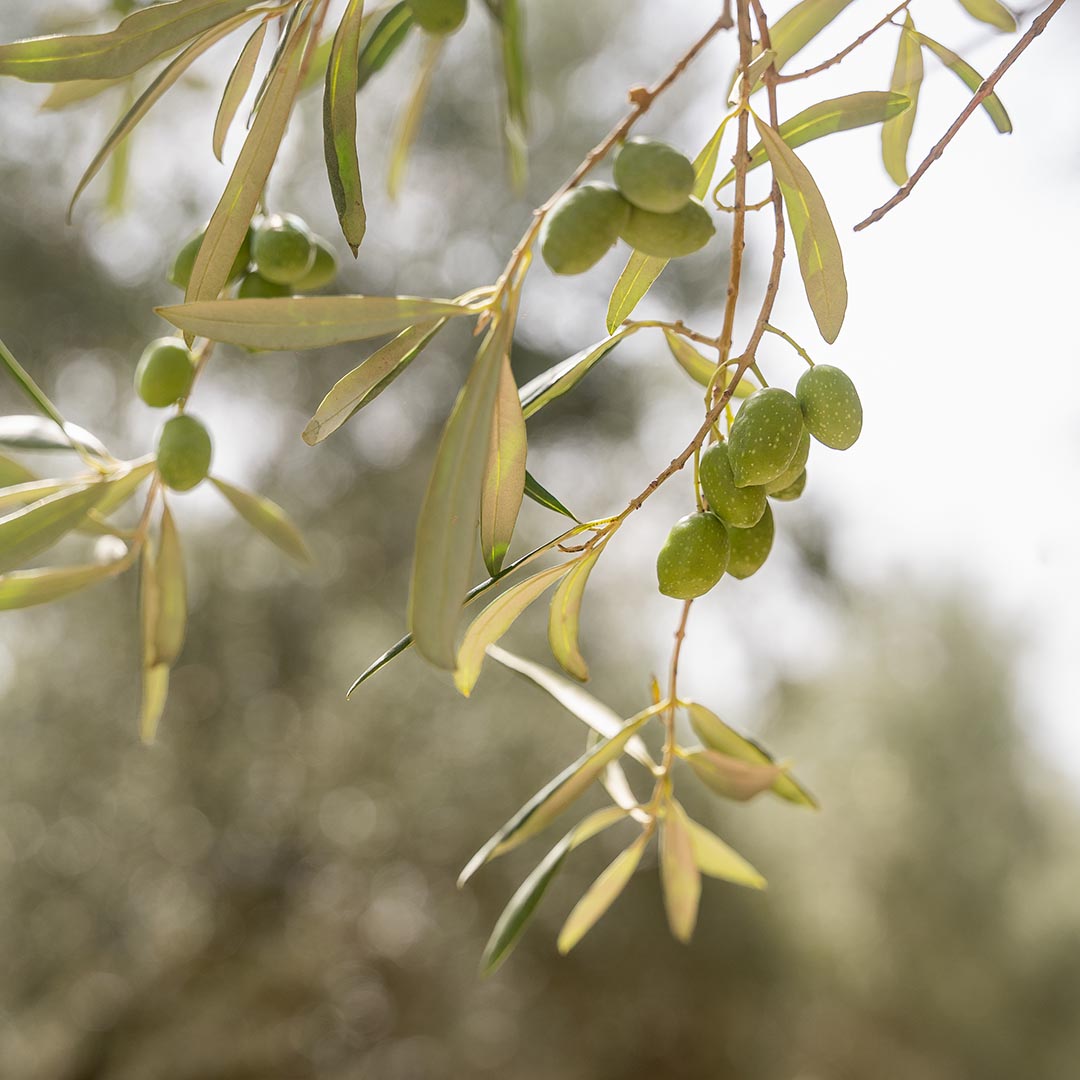
With a perfect climate for olive oil production, Portugal has been self-sufficient in this product since 2014.

The large agricultural fields allow the people of Santarém to dedicate themselves to olive growing, contributing to the growth of this activity. This is an agricultural practice steeped in tradition that has been expanding throughout Portugal.

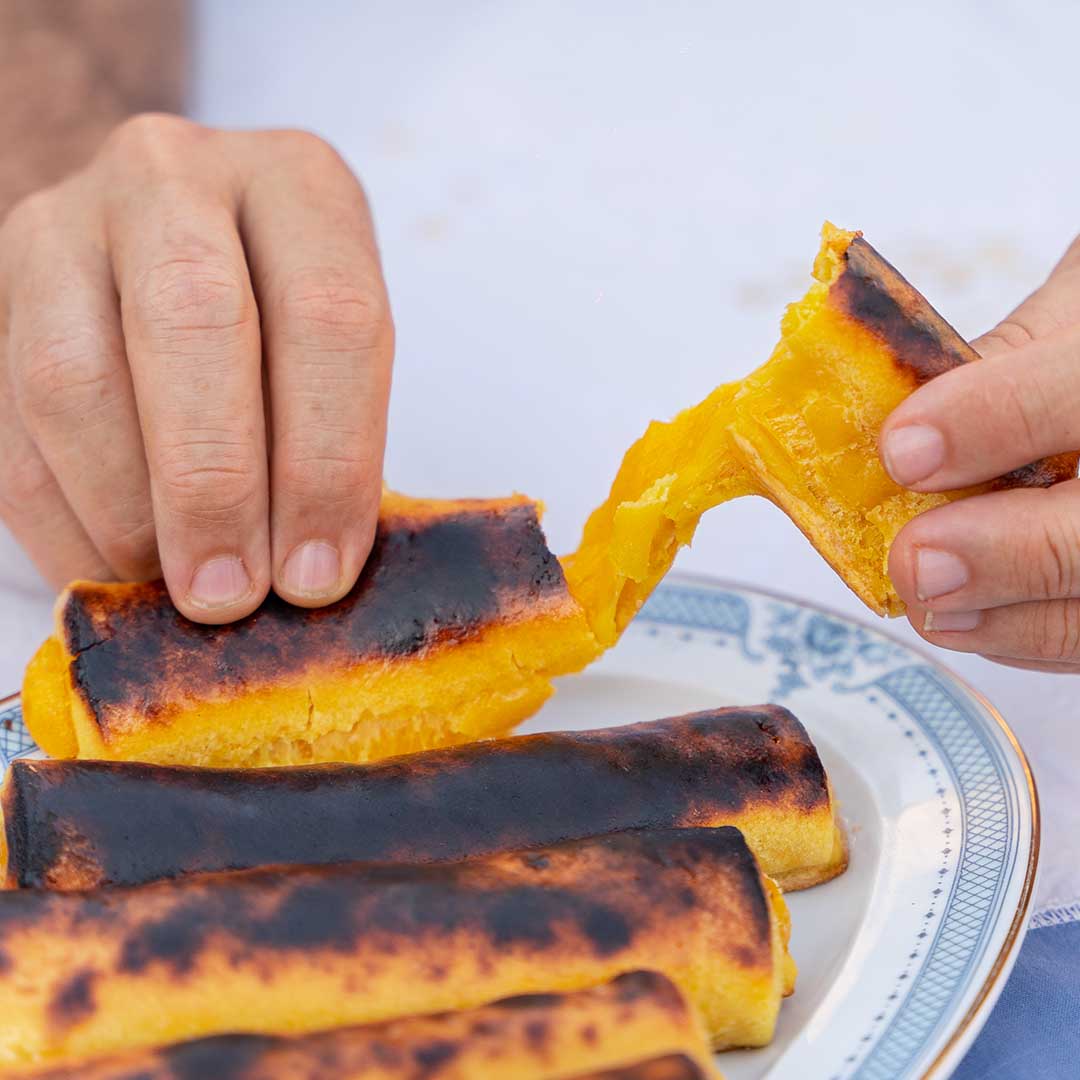
If gluttony is a mortal sin, gluttonously eating the Arrepiados de Almoster won’t condemn your soul. That’s because they were born from the hands of the Bernard nuns of the Convent of Santa Maria.

Although this Cistercian Order was suppressed in 1834, with the extinction of religious orders in Portugal, “thank God” – so to speak – the arrepiados have not been forgotten by time. However, time has made a point of forgetting the name of the nun or nuns who devised this recipe, and only an old story from Almoster is known. The story goes that, when it came to sweets, the rivalry between the nuns of Santa Clara and the Bernards was so great that one day, when a Bernard nun heard that she was going to be visited by a high ecclesiastical dignitary, she exclaimed: “I’m going to make a sweet so good that they’ll shiver!”. This (fulfilled) promise may have given the convent sweet its name. It’s impossible to prove whether the story has any basis in fact, but anyone who eats these cakes will get goosebumps from the quality and taste of them.

Initially they were distributed at the São Bernardo pilgrimage, but they were so popular because they weren’t overly sweet that their recipe is now widespread. They are traditionally included in the desserts at the National Gastronomy Festival and are on the tourist routes of the Ribatejo Tourism Region.

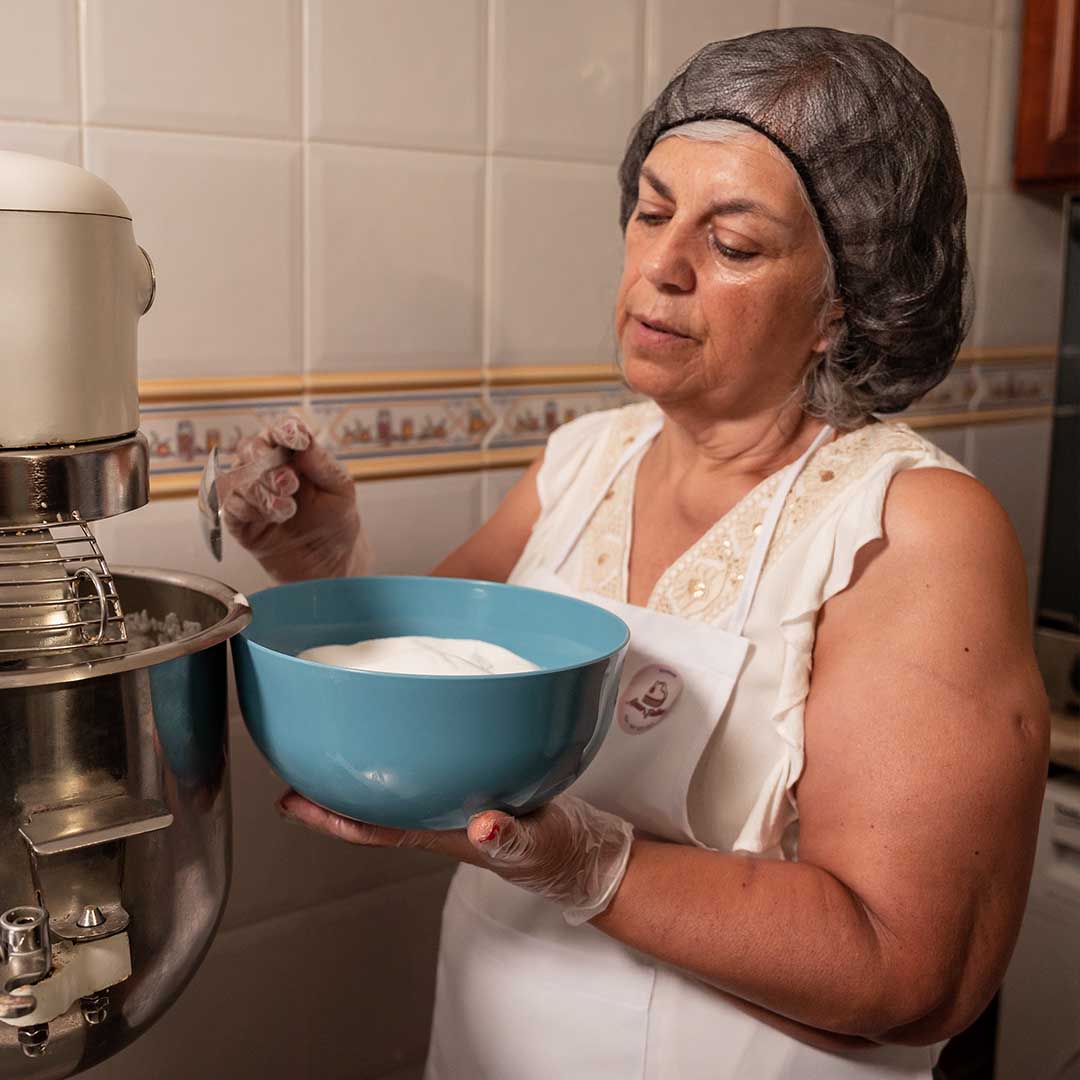
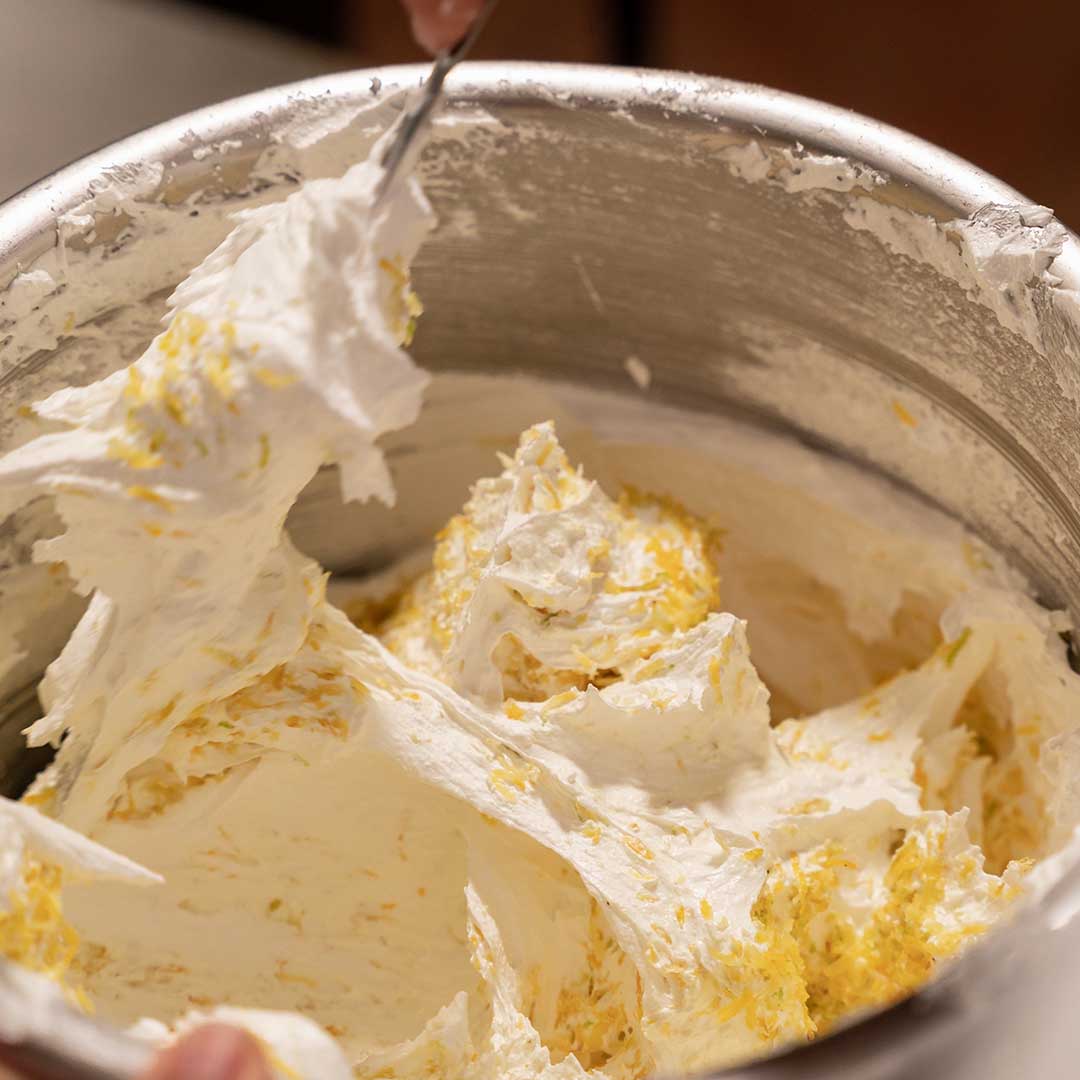
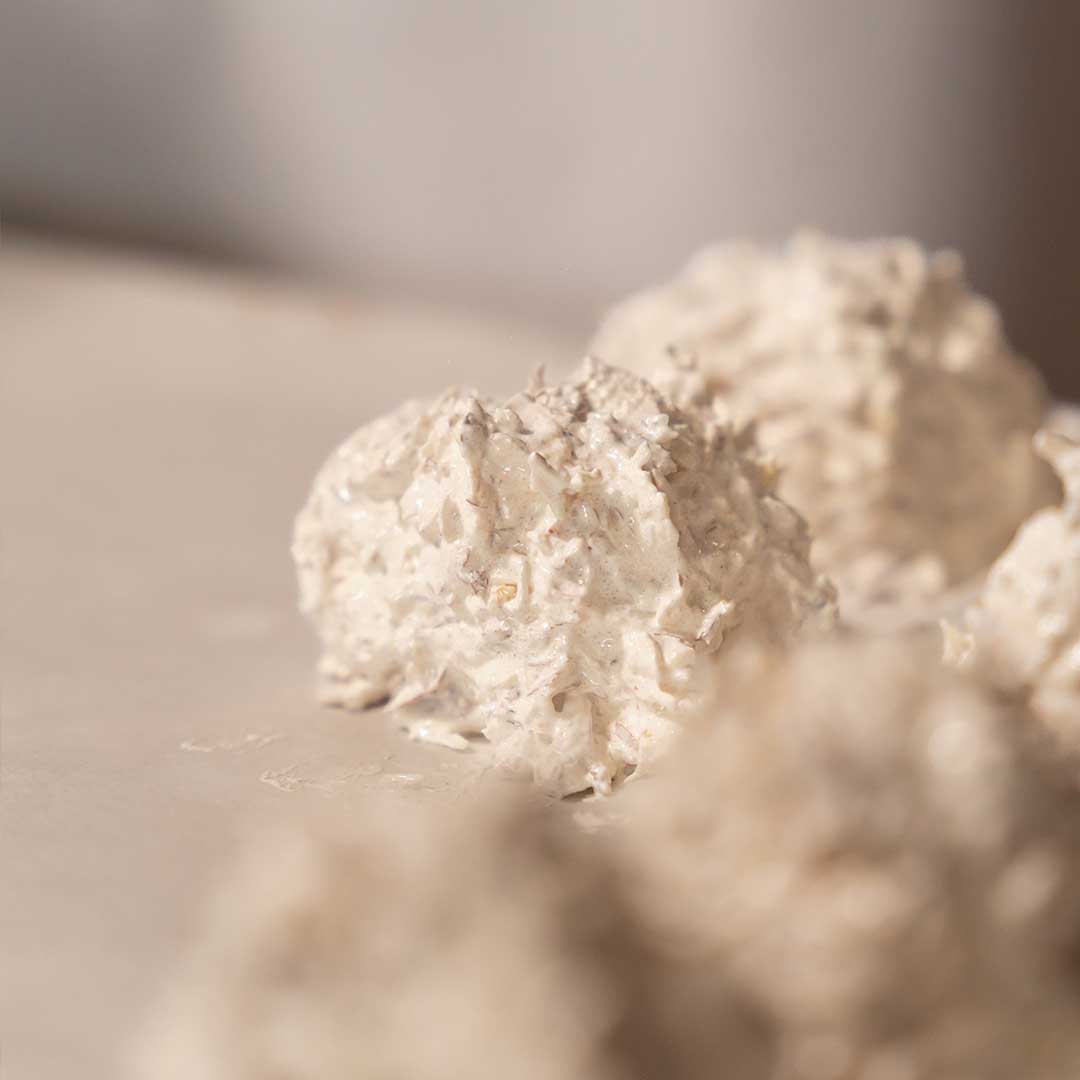
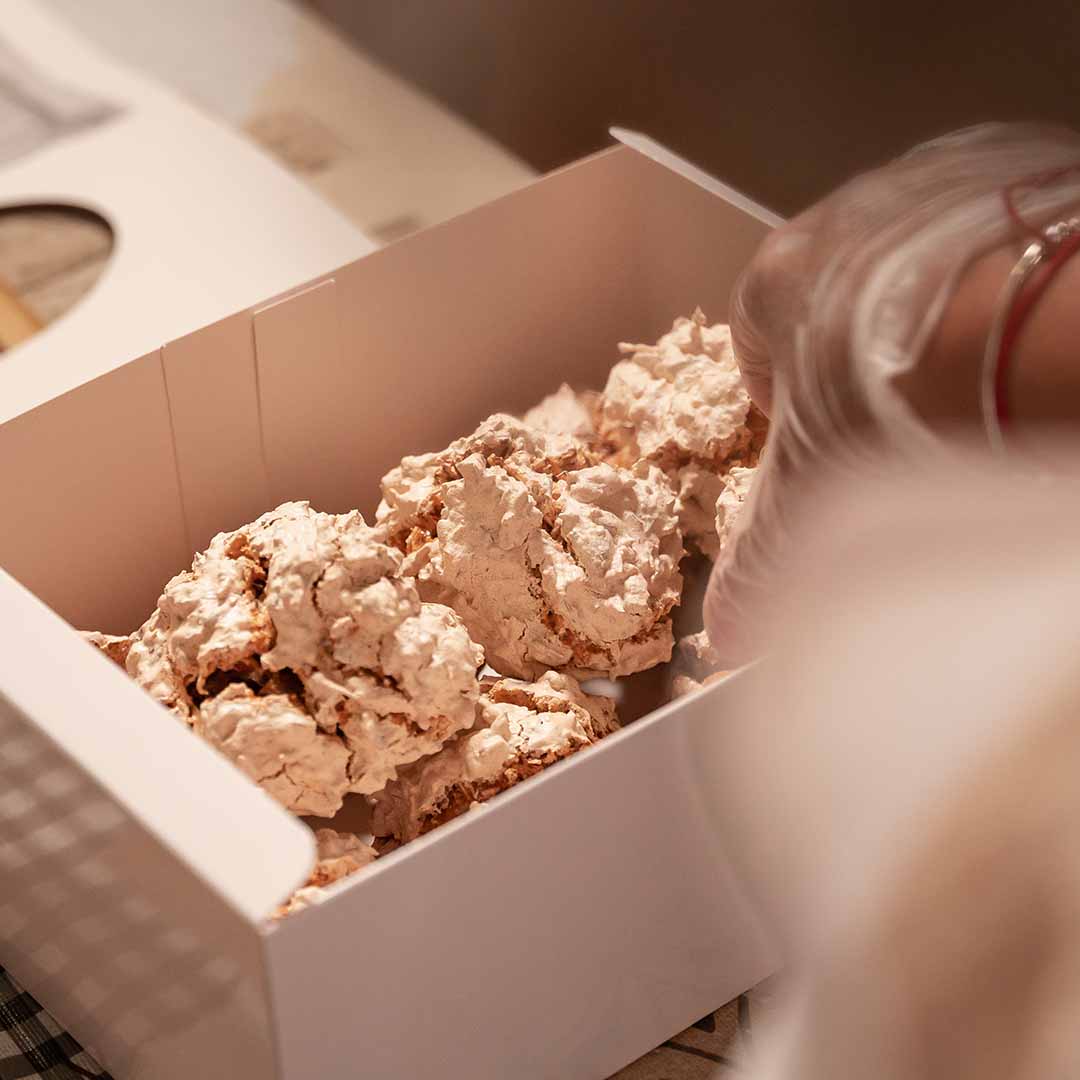
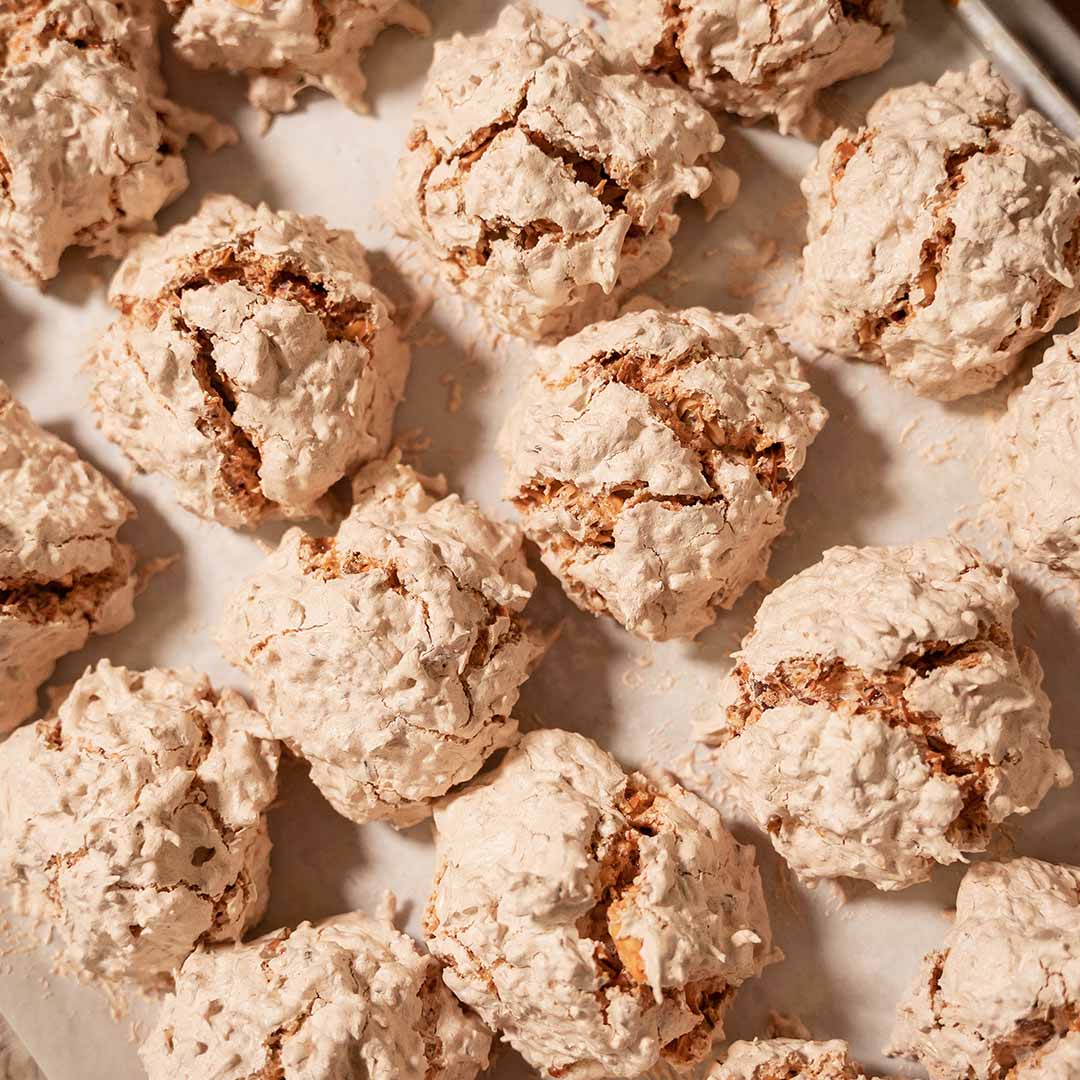
One of the main references in Scalabite confectionery, this is a simple cake made from the whites of eggs whose yolks have been used to make other sweets.

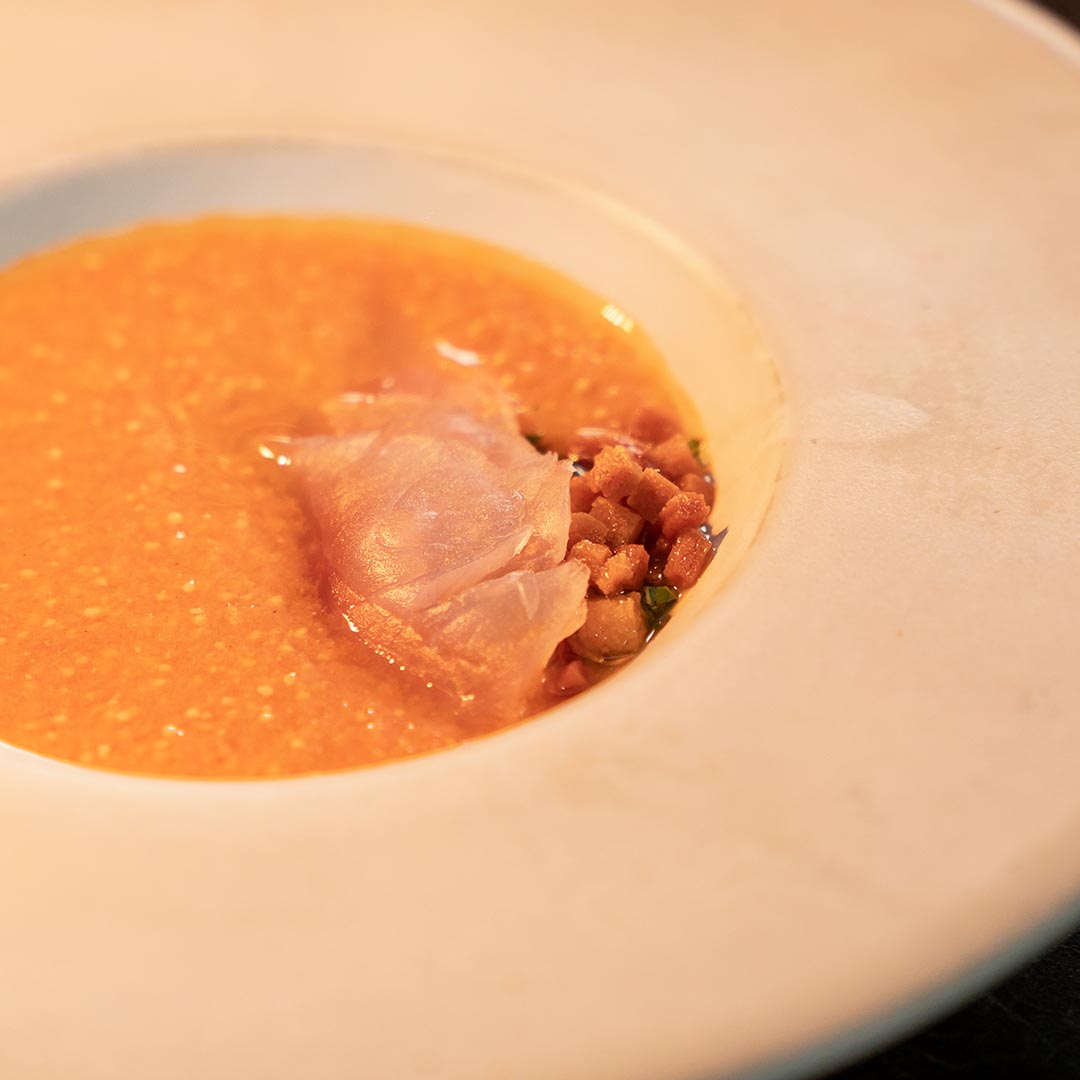
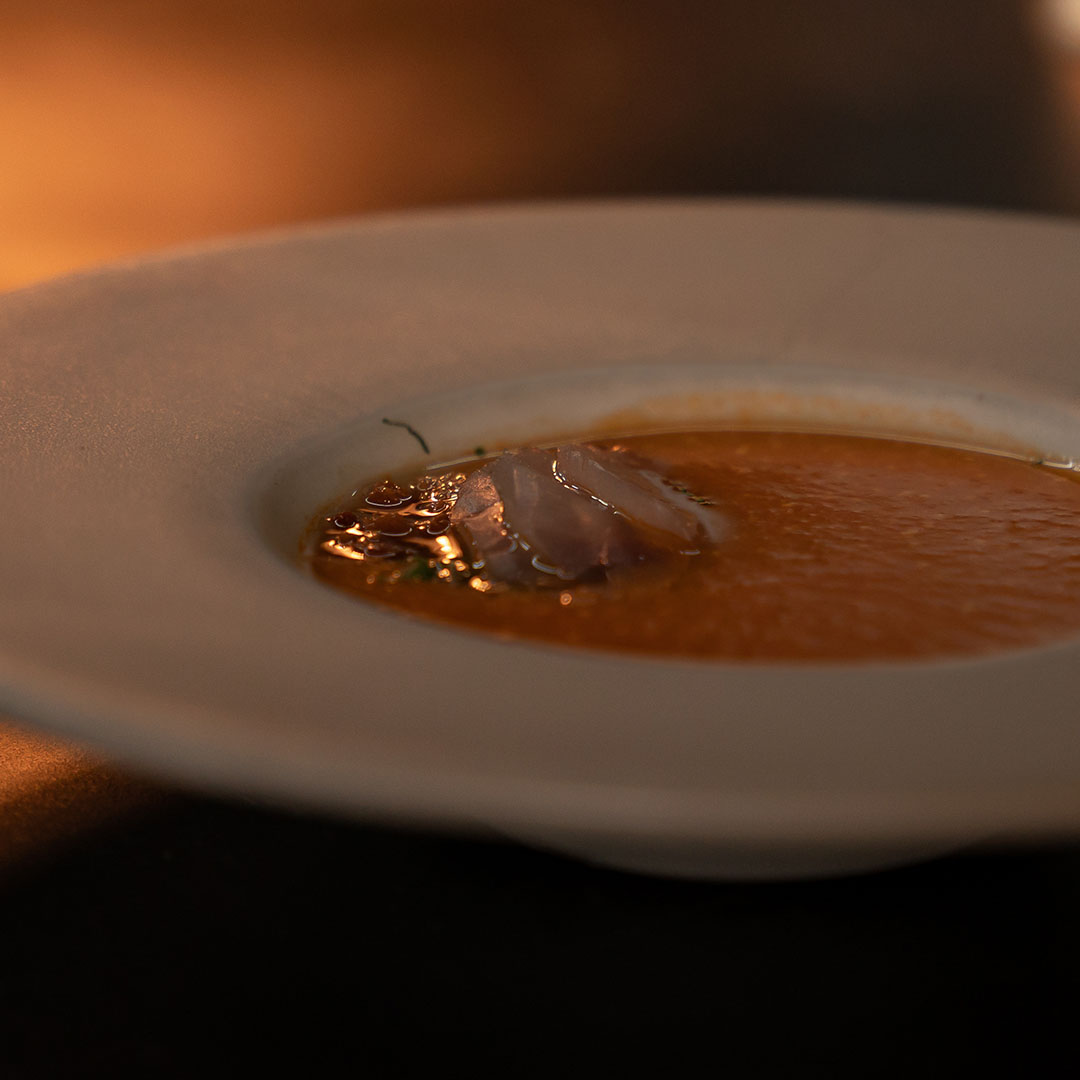
This soup has its origins in the traditional cuisine of the “Avieiras” populations, people who settled in the riverside areas along the Tagus where they created cultural roots that have lasted to this day and who had the river as their main source of resources. The avieiros made their meager wealth from fataça, barbo, shad, eel and shrimp. They ate what the river gave them, making poor dishes that are now delicacies that fill Scalabitan tables with pride. This soup can be made from a single or several species of river fish. The other ingredients are of agricultural origin and traditional to the Tagus region: onion, garlic, bay leaves, ripe tomatoes, parsley, coriander and chilli peppers.

The base is made from shredded fish, which has been boiled and cleaned of skins and bones, and any necessary sewing water is added to this base.

Once ready, this soup is topped with thin strips of toasted bread, which is usually a use of hardened bread.

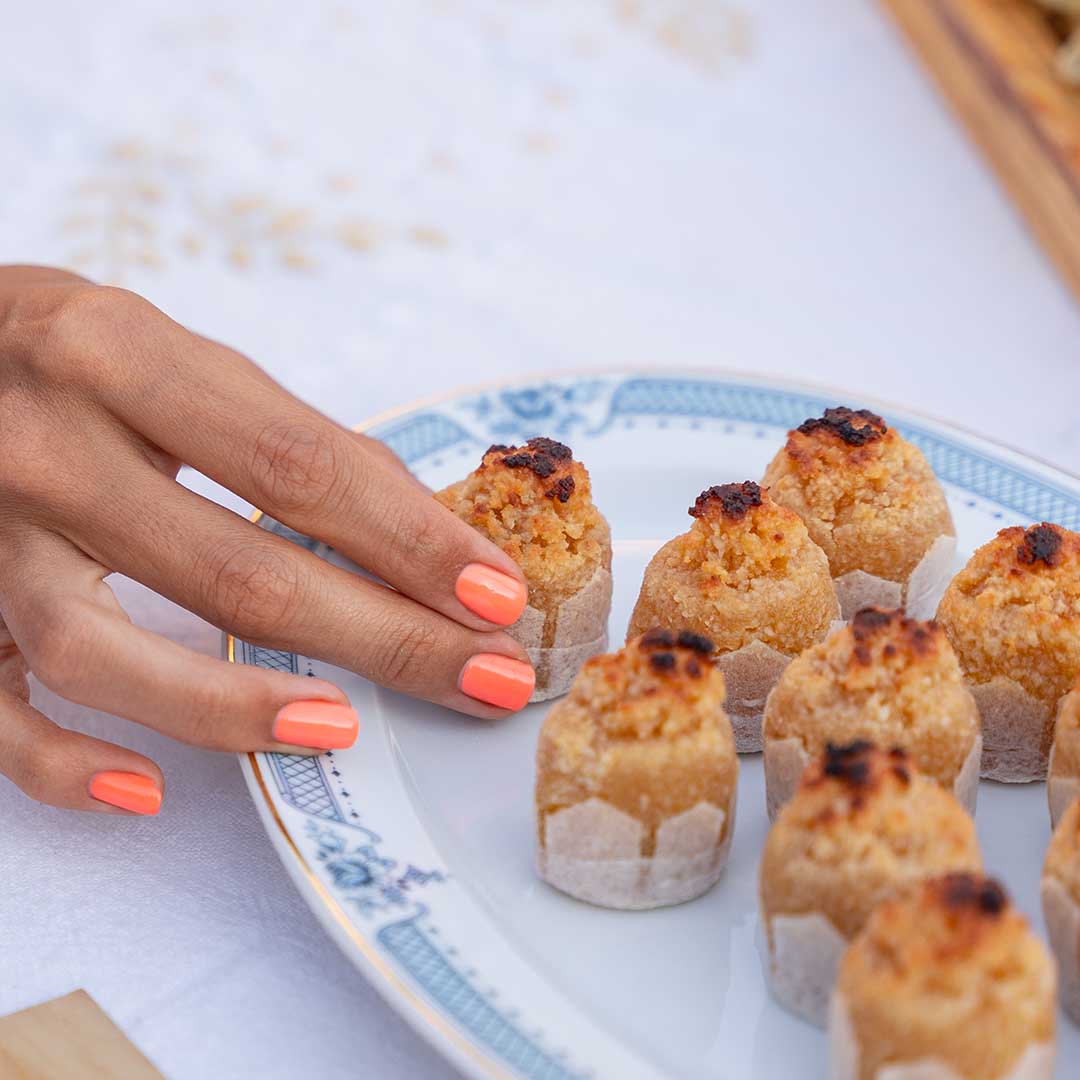
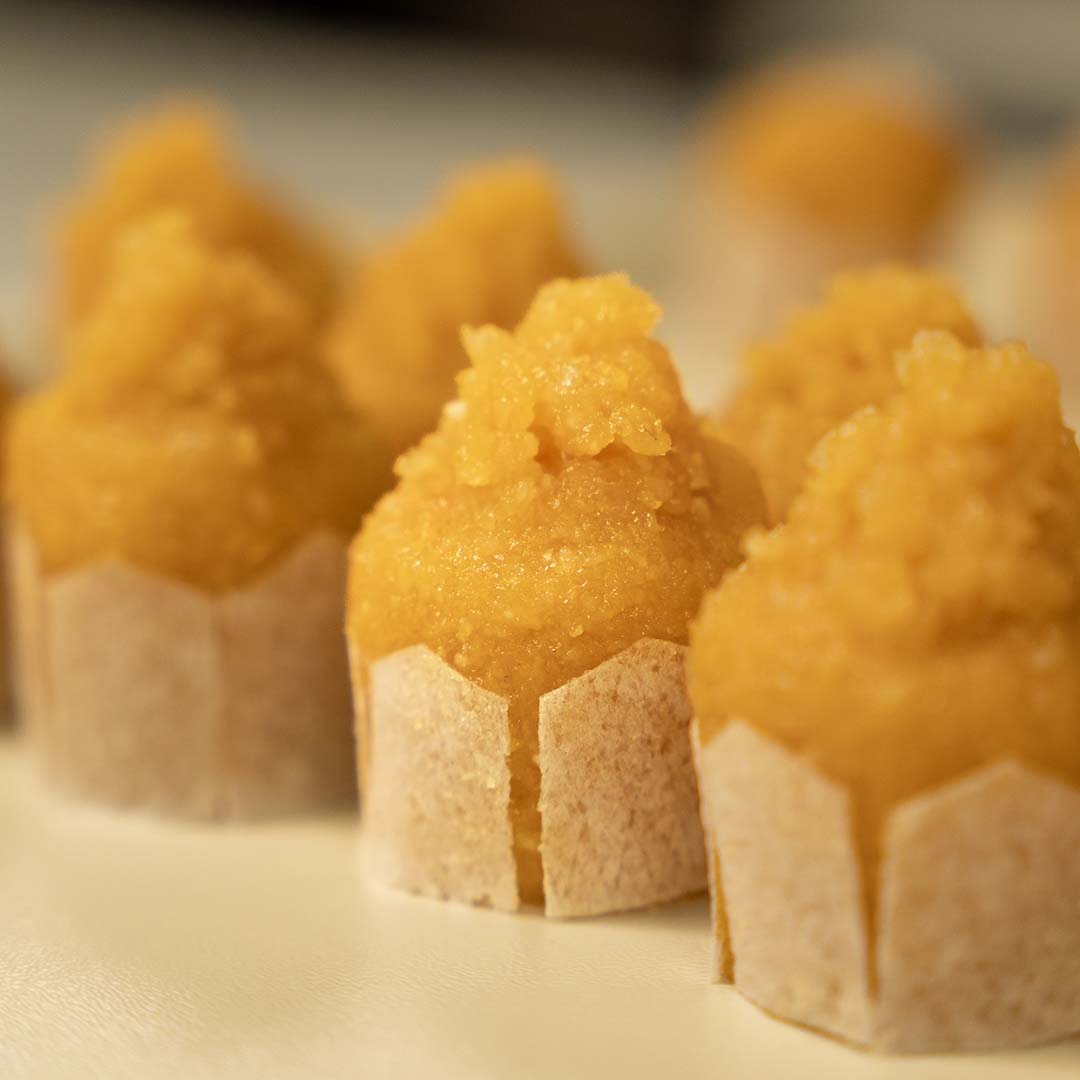
The origin of these little cakes is found in the Convent of Santa Clara de Santarém, founded in 1259 and to which the name of King Afonso III is linked.

According to legend, the recipe came from heaven, offered by angels, who gave it to the monks as a reward for their faith.

These heavenly creatures therefore motivated the name chosen for the sweet.

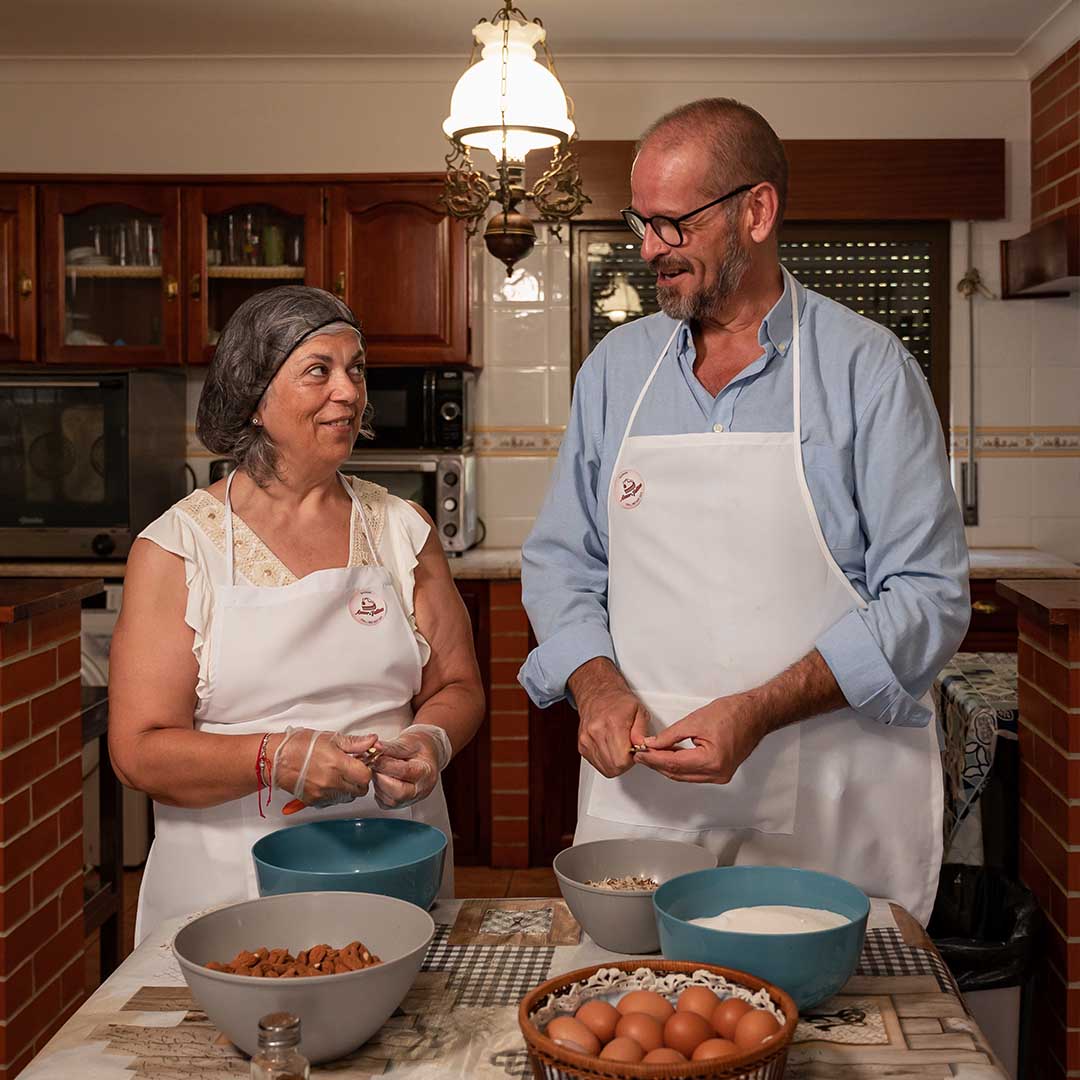
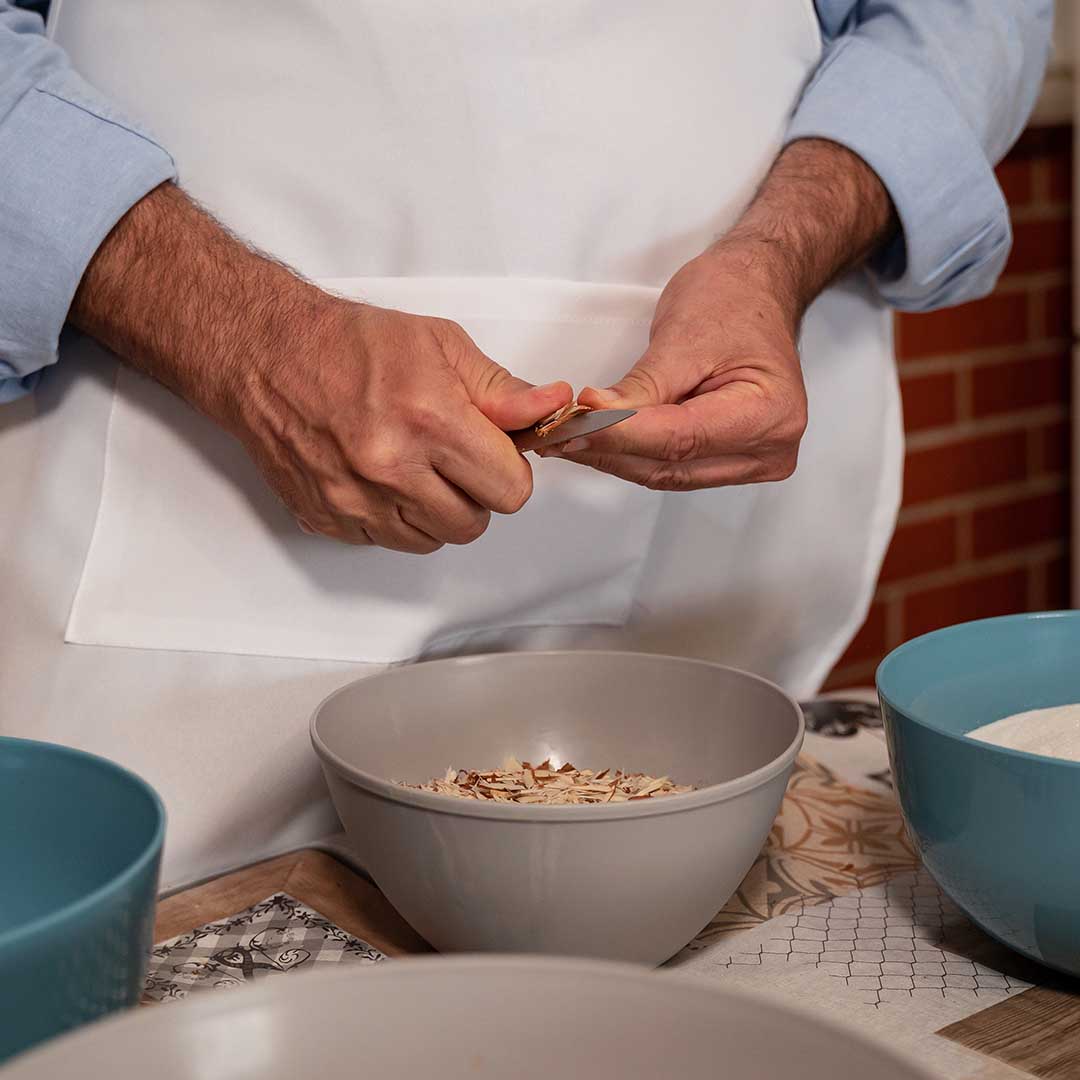
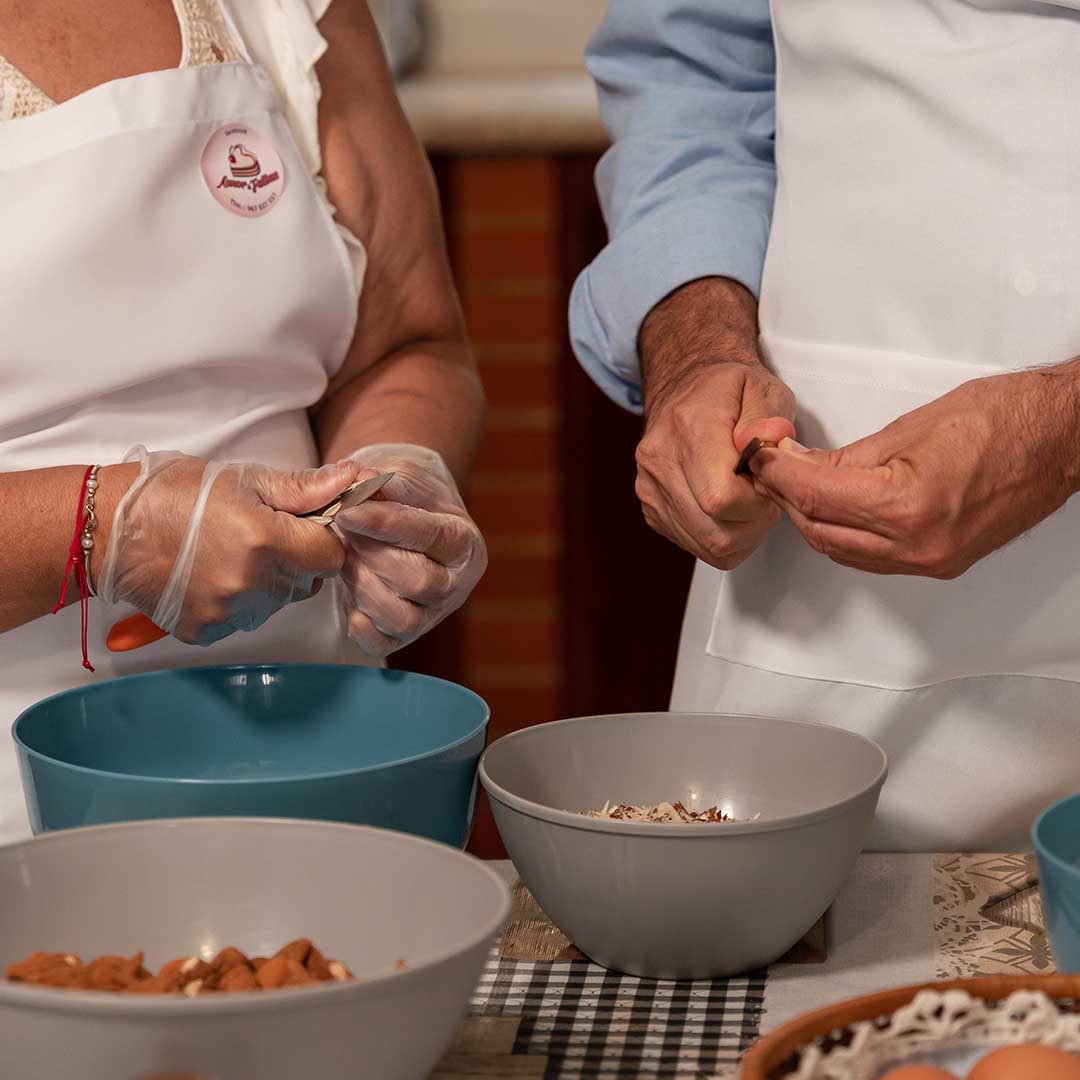
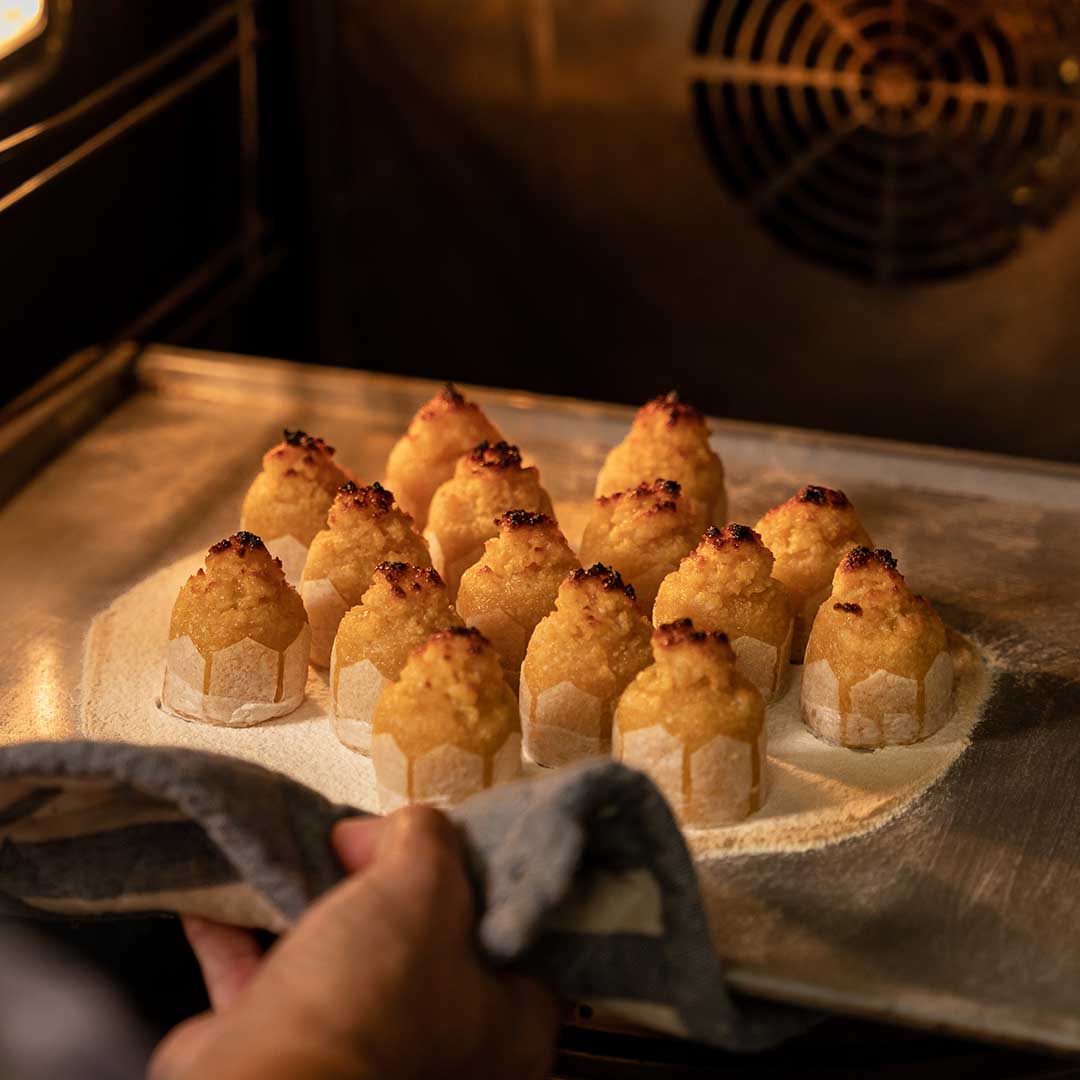
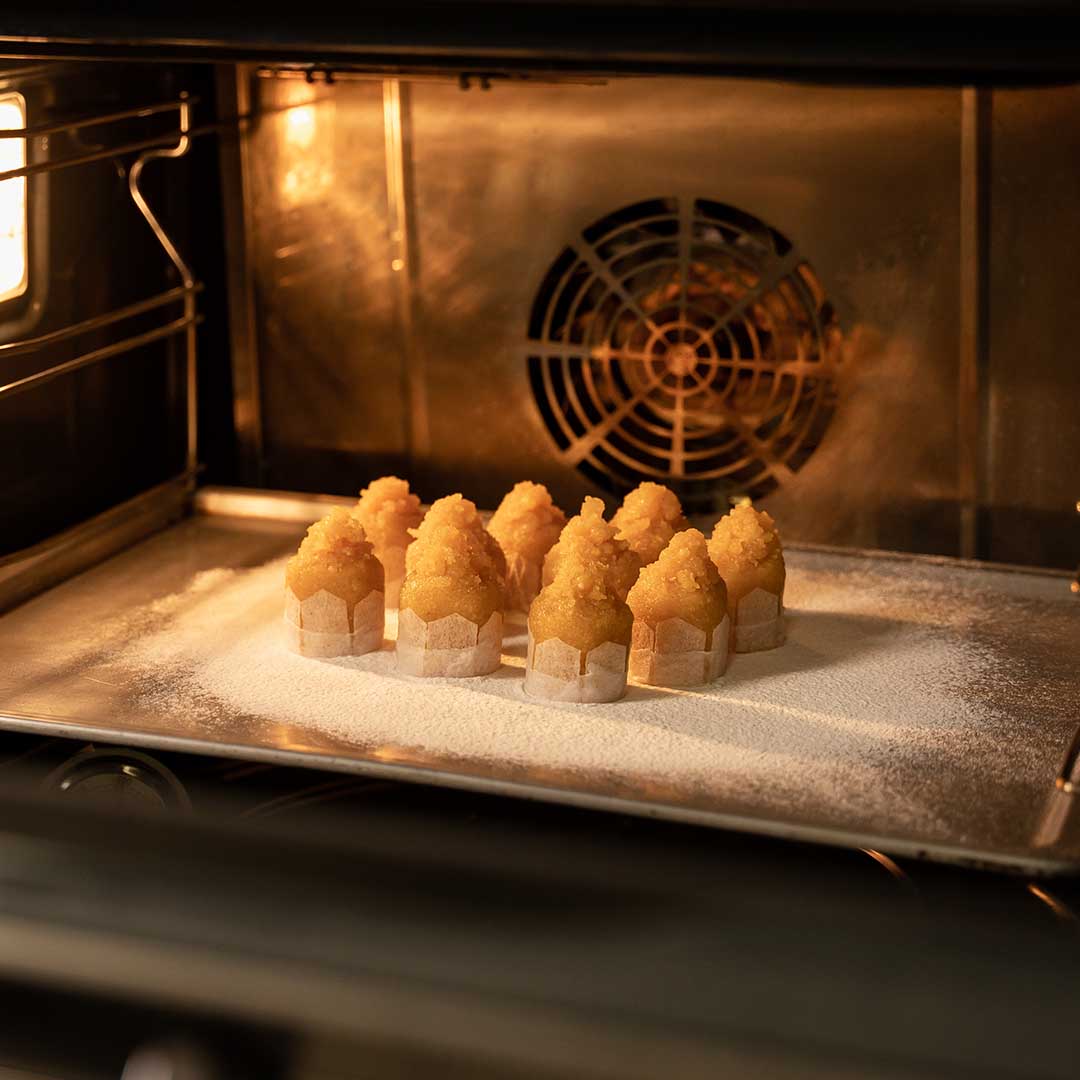
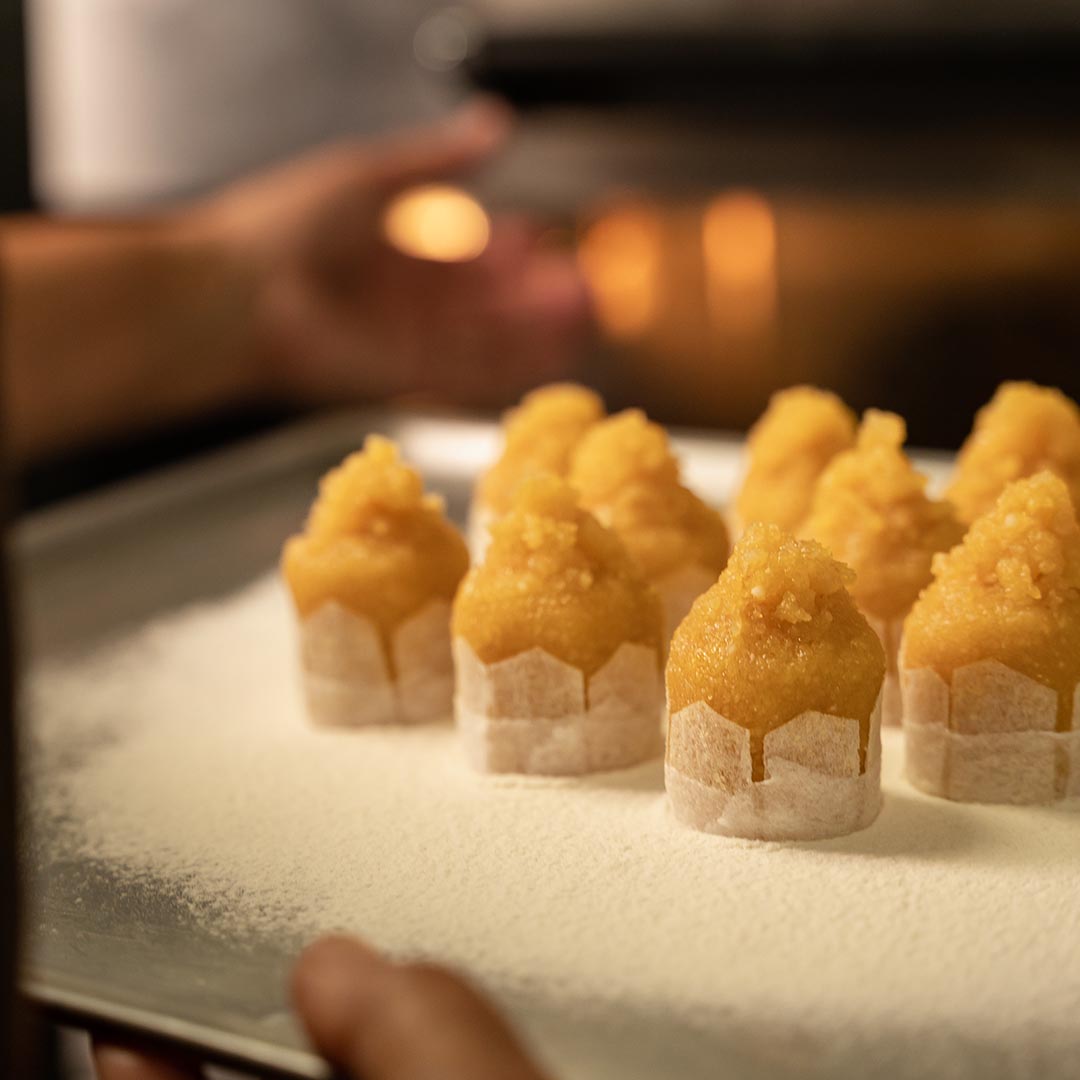
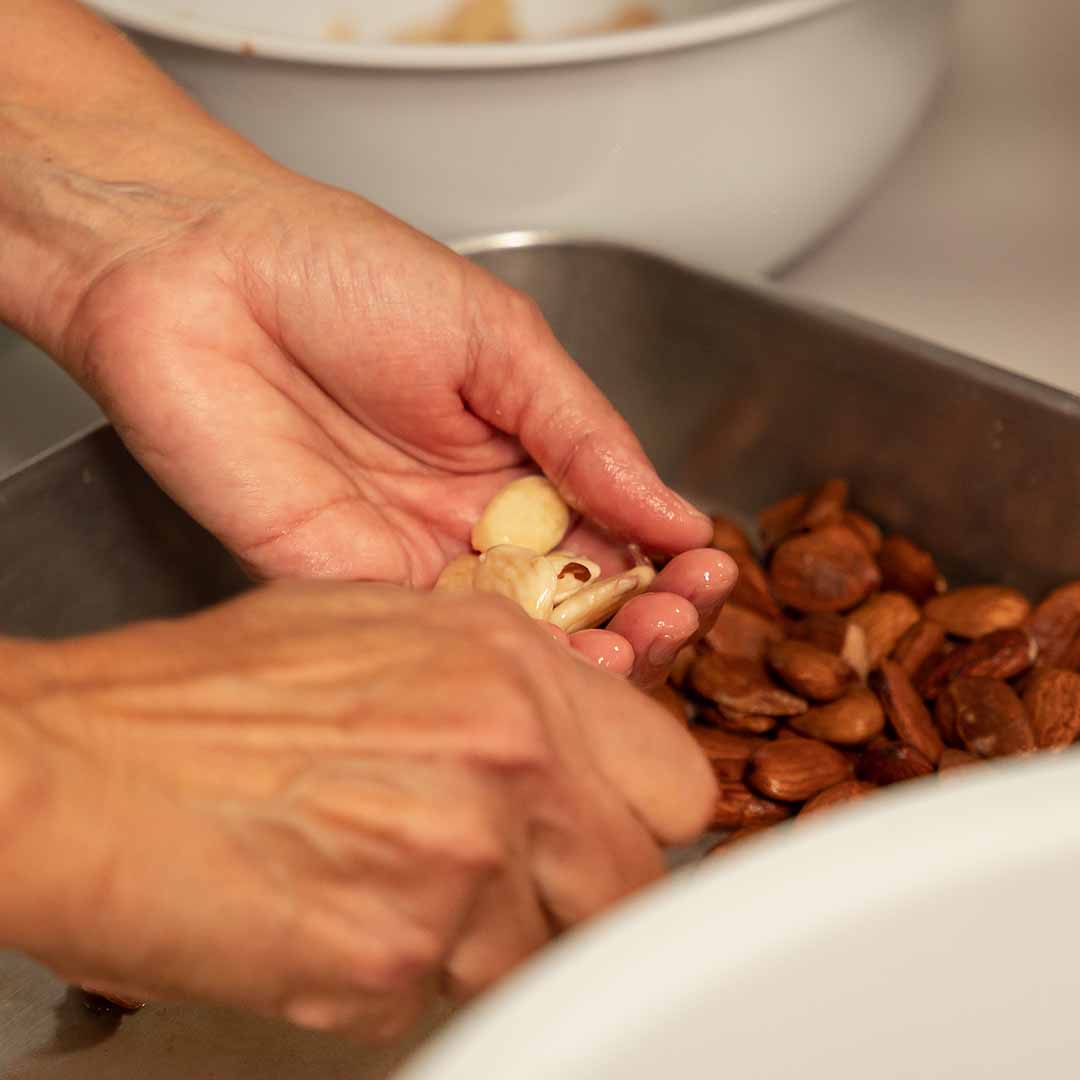
For years, the Poor Clare nuns kept their recipe secret, based on almond kernels, eggs and caster sugar, with a paper cover.

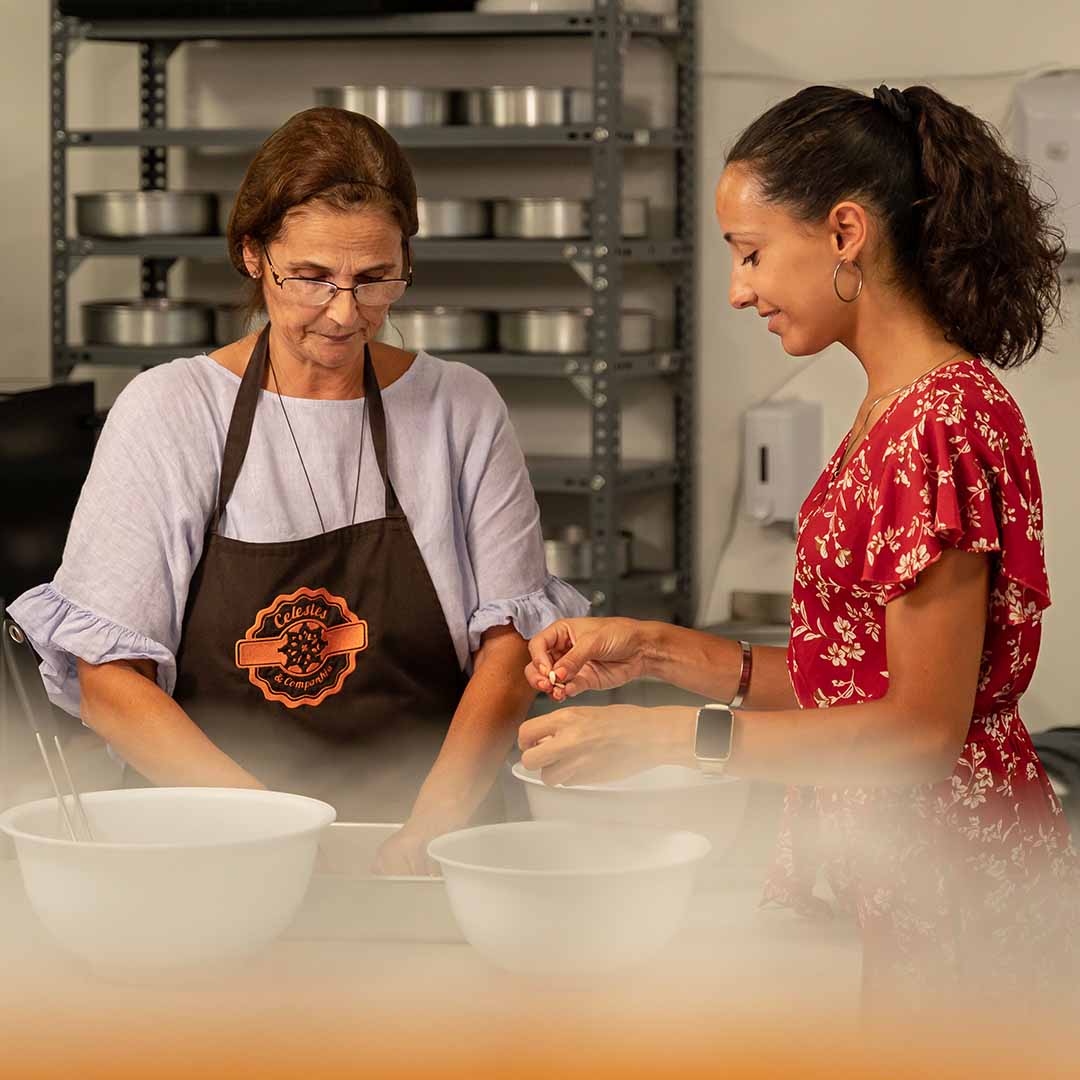
However, about a hundred years ago, Ajax Augusto da Silva Rato, the owner of a grocery store, managed to acquire the recipe and, through him, the dissemination and marketing of this convent specialty began. It wasn’t long before the Celestes de Santa Clara made a name for themselves. In the meantime, once they had gained fame, other establishments in the city also got hold of the coveted recipe and set about making them. Thus, these wonderful sweets became famous and became one of the hallmarks of the city of Santarém.

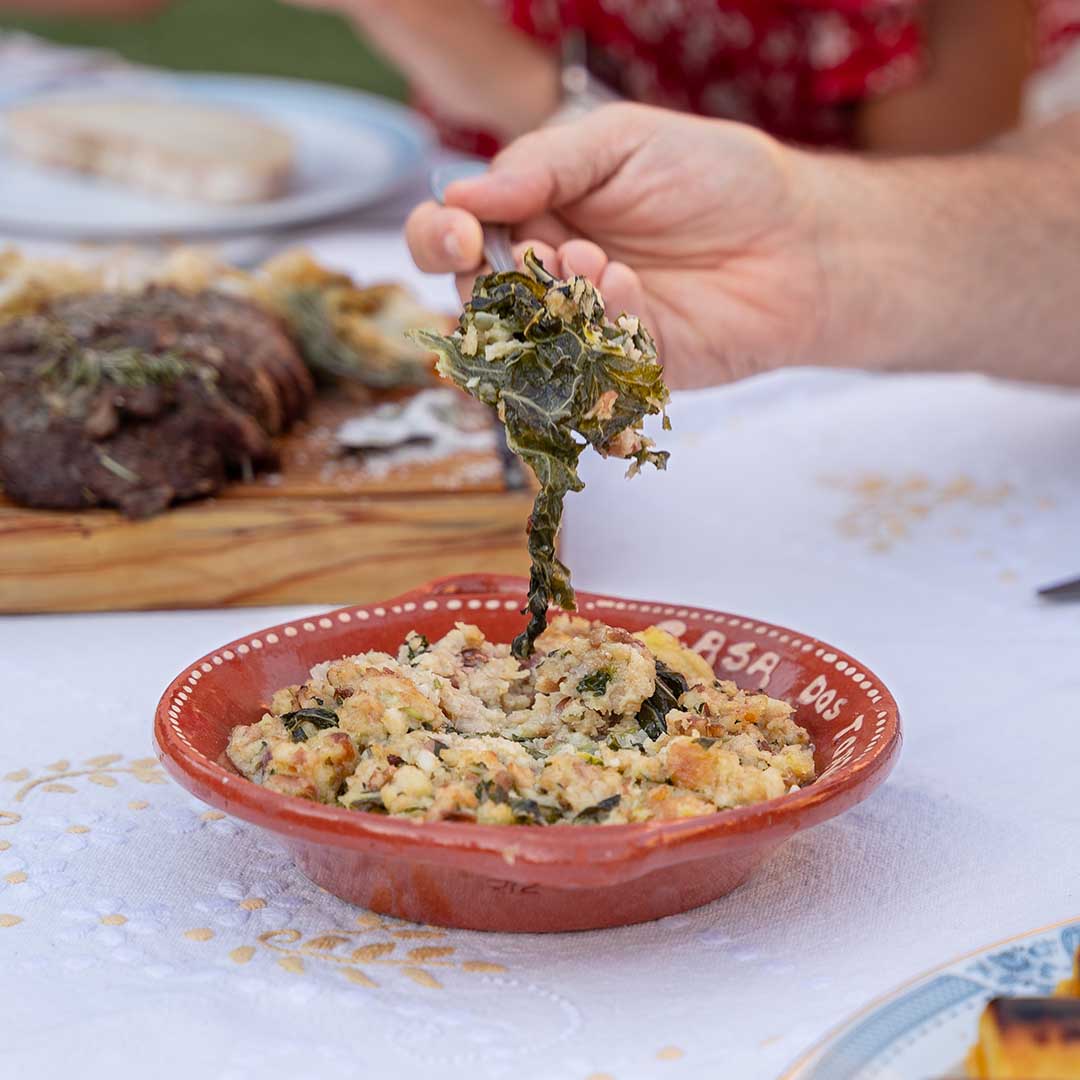
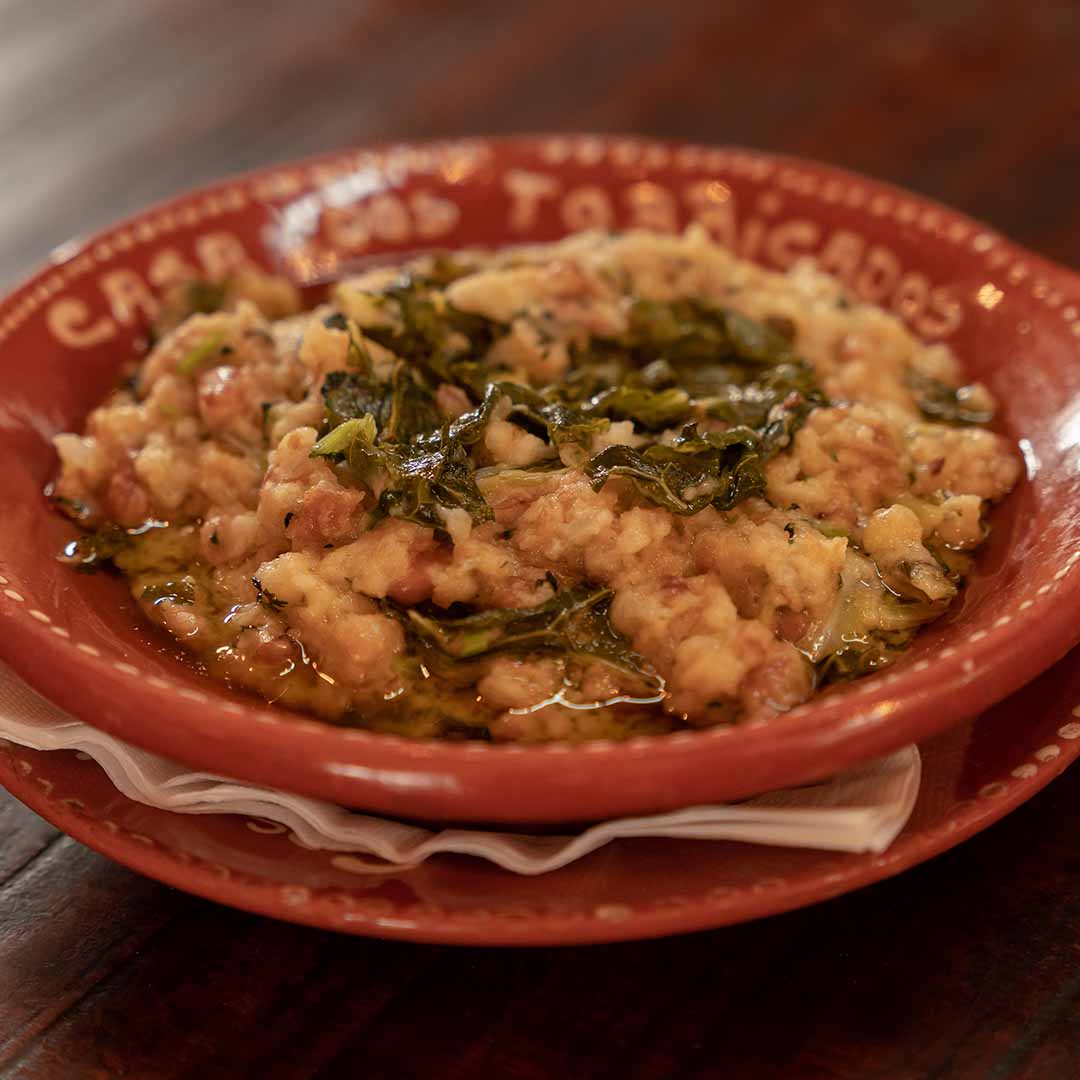
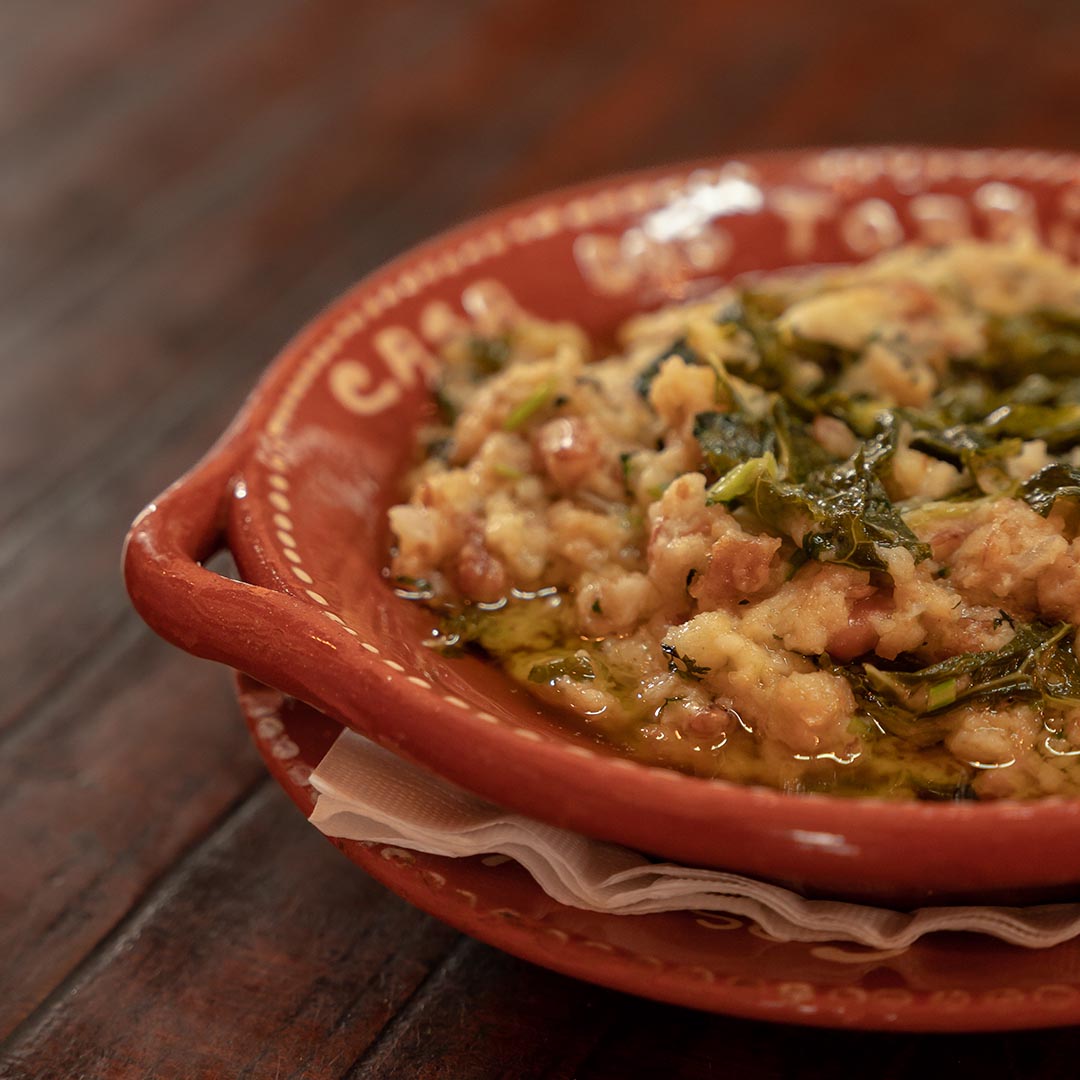
Magusto, not to be confused with the popular festival, is the name given to a regional and traditional dish from the rural areas of Ribatejo. Characteristic of rural Portugal, the dish was born out of the need for a quick and economical meal.

In this way, leftovers from other dishes were used, such as cabbage, boiled potatoes, baked beans and leftover bread. From this inventive concoction emerged some very tasty green migas.

Naturally, remembering the geography of Ribatejo, these are traditionally served with grilled cod, fried fish, horse mackerel or petingas. Nowadays, combining this expression of being from Escalabia with the contemporary way of life, migas can be accompanied by other dishes, including, for example, fried ribs, fried pork, hake fillets, codfish cakes, fried rabbit, rojões, or octopus à lagareiro.

Imbedded in Ribatejo’s bullfighting tradition, Scalabitan gastronomy is umbilically linked to the tradition that hosts it.

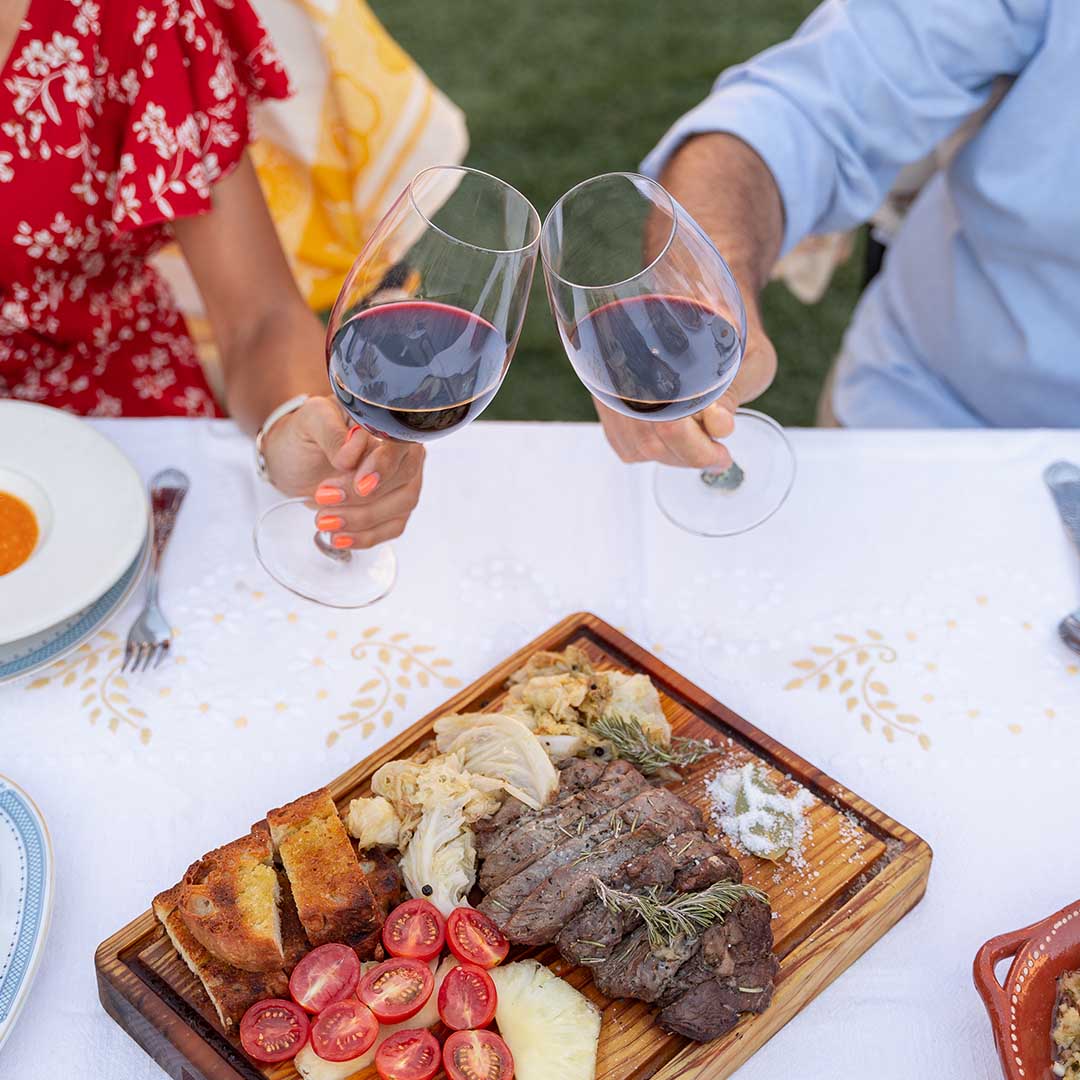
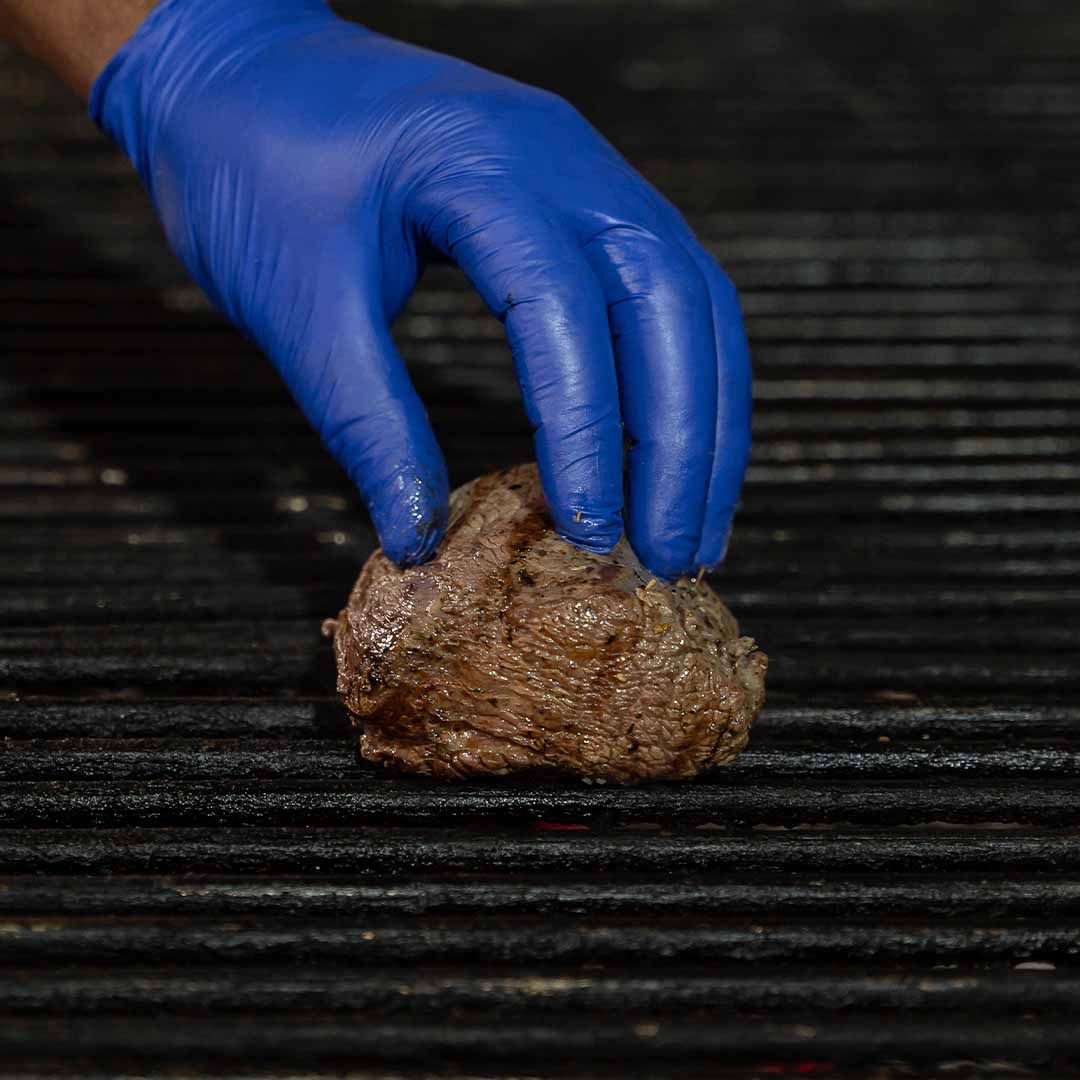
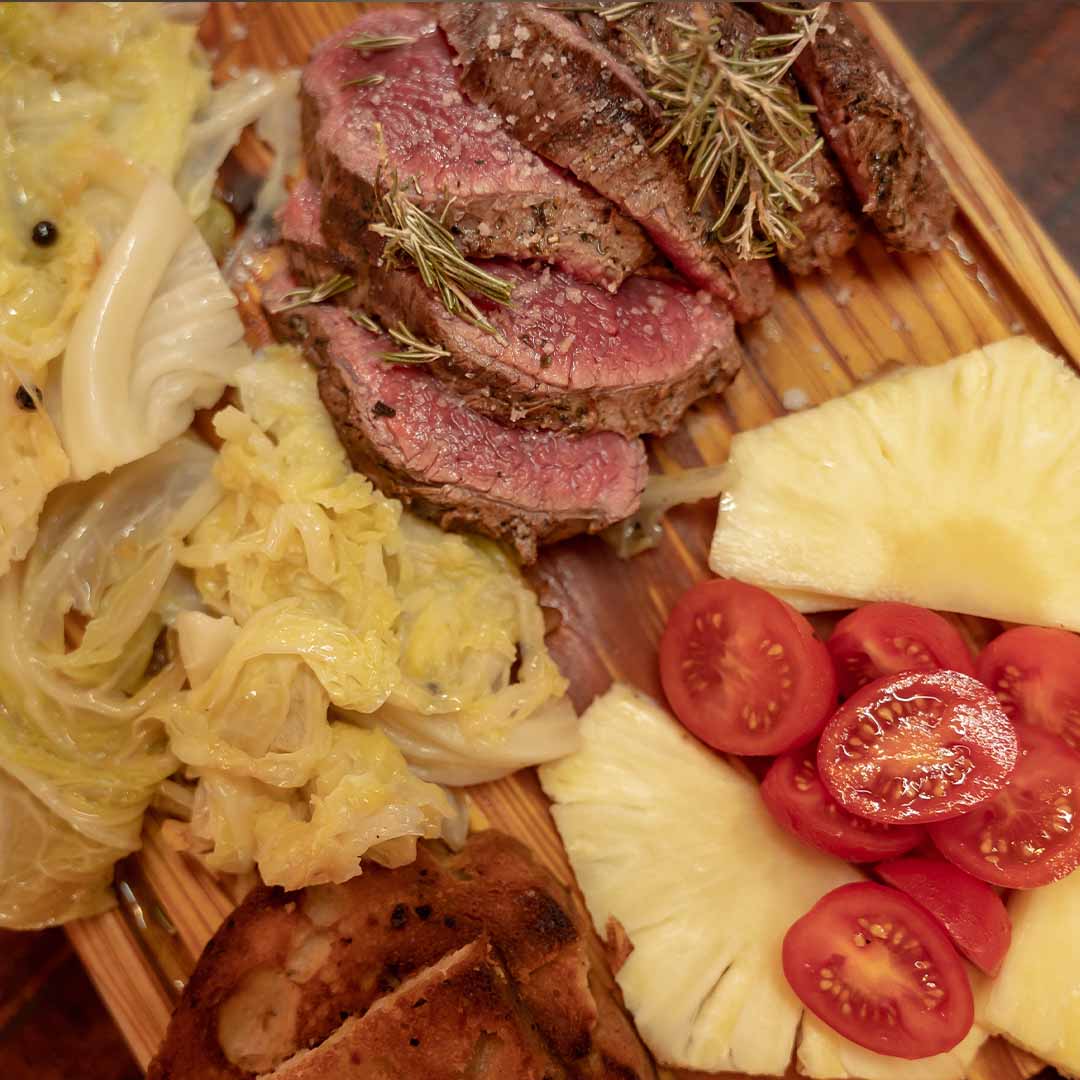
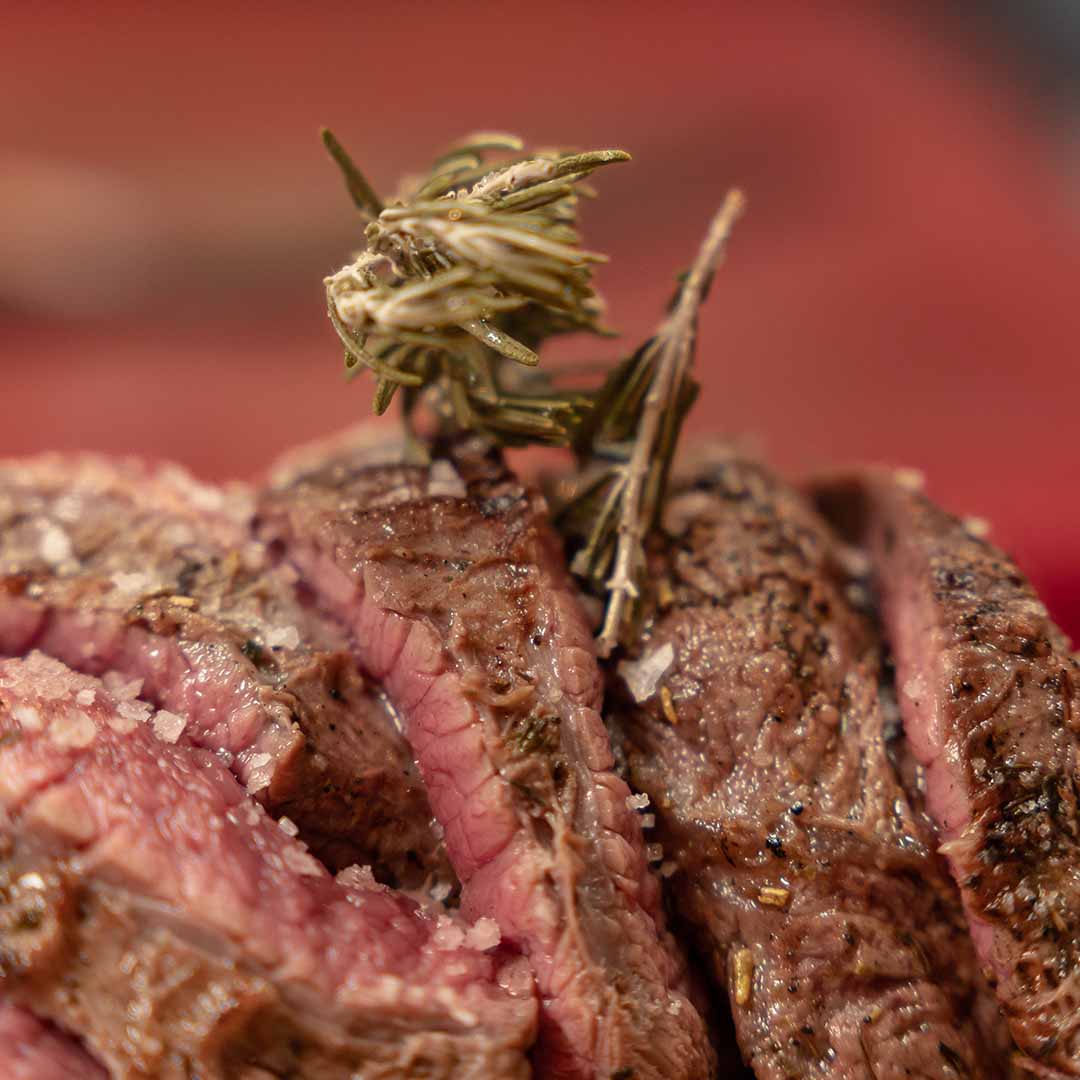
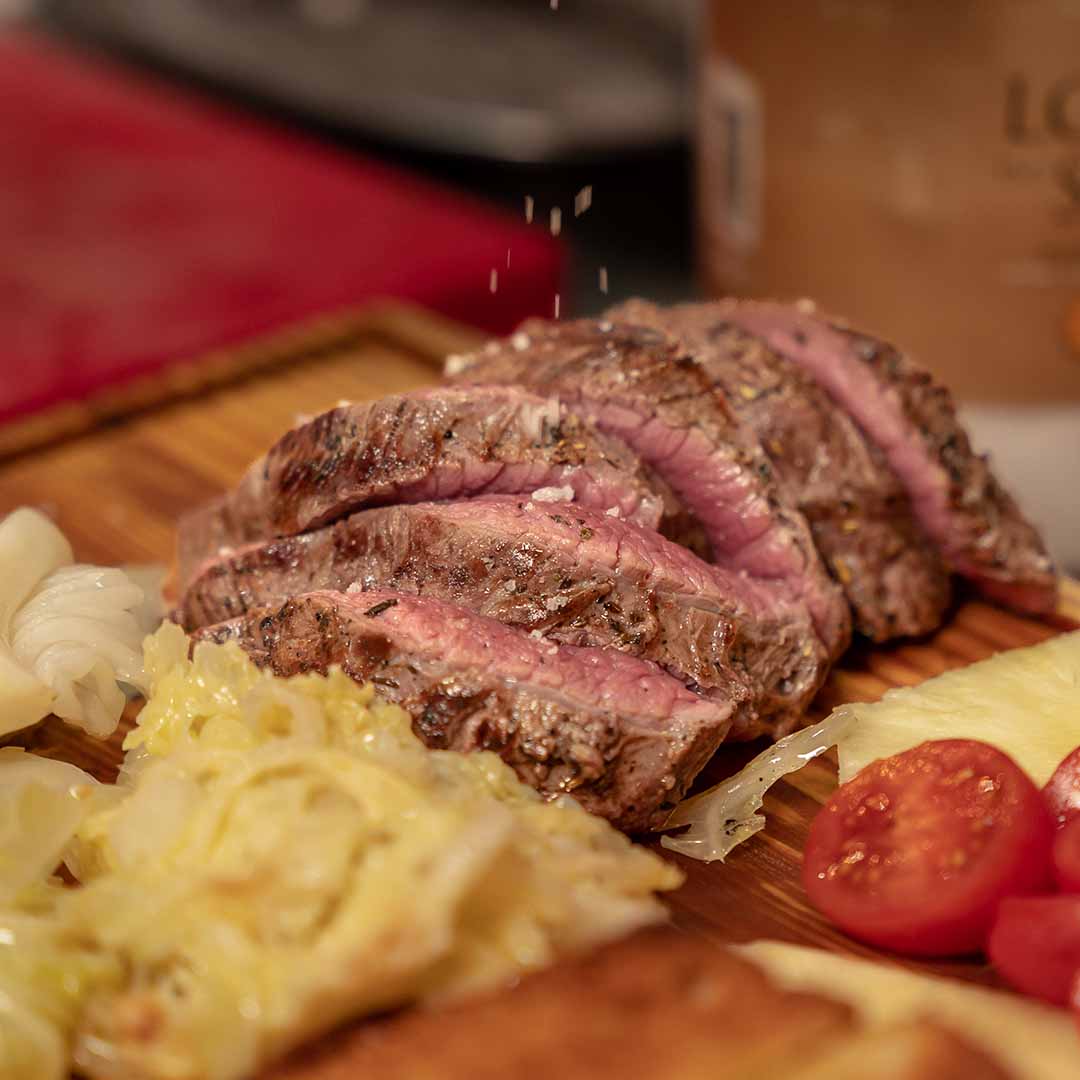
In this inseparable relationship, it should come as no surprise how common it is to cook meat from wild animals in this part of the country. What makes them special is that they are raised extensively, i.e. they live freely in the wild, with a diet that doesn’t include fast-growing factors, and therefore have a fine and delicate muscle grain. For this reason, properly matured meat, when subjected to culinary manipulations, displays an excellent aroma and flavor (Pereira, Gonçalvez and Malhó, 2014: 95).

One of the most paradigmatic Ribatejo dishes made from the then carne brava is the naco de toiro bravo avinhado, or simply naco de boi. In its traditional preparation, as ancestral wisdom dictates, the steaks are covered in red wine and seasoned with salt and pepper for 24 hours. In the meantime, they are sautéed with olive oil and chopped garlic, quartered onion, bay leaf, sliced carrot and a little more red wine. Then tomatoes cut into small cubes and a bunch of parsley are added to the stew. The meat and the marinade are then added and seasoned with piripiri. After stewing and, if necessary, adding a little salt, the sauce should be strained through a sieve. Once the Scalabrian delicacy is ready to serve, all that remains is to plate it and drizzle it with the sauce. Enjoy.

Due to its privileged location in the heart of the Ribatejo lezíria, a cultural landscape associated with the Tagus River valley, agriculture has developed over the centuries in Santarém, which is globally known for its fertility. In this way, Santarém, an agricultural and commercial center associated with centuries-old fairs, had an ancestral connection to food and gastronomy.

In 1981, a diverse group of cultural agents promoted the first Santarém National Gastronomy Festival with the support of the Santarém Municipality, which sought to promote traditional Portuguese regional cuisine and encourage qualified tourism in the interior of the country. The best restaurants and taverns in each region came to Santarém, choosing traditional regional specialties for their menus, often in local and regional competitions and initiatives.

As the site of Portugal’s oldest gastronomic festival, Santarém is home to a number of gastronomic traditions and, consequently, a large number of establishments that offer the best of the region’s cuisine.

The Gastronomic Guide to Santarém shows you where you can try the best delicacies and snacks in the region.

If you have any questions. Do not hesitate to contact us.

Town Hall: 243 304 200
(Call to the national fixed network)
Tourist Office: 243 304 437
(Call to the national fixed network)
GNR: 243 300 091
(Call to the national fixed network)
Volunteer Firefighters: 243 377 900
(Call to the national fixed network)

© Copyright - Visitfoods | Municipality of Santarém
Privacy Policy | Complain Book